Why a preventive hysterectomy might offer peace of mind
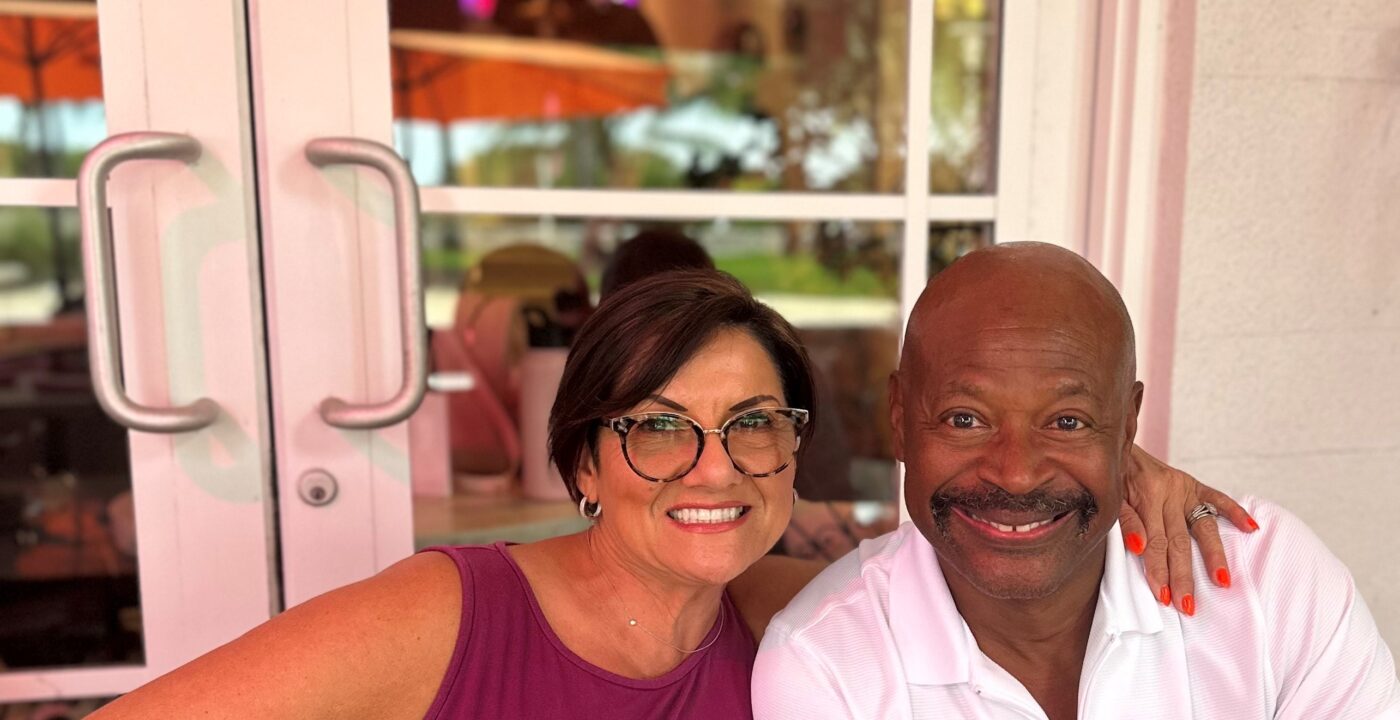
In 2021, Judi Feliciano’s mother died from endometrial cancer. She had been diagnosed a year prior.
“My father passed away four months before she did,” Feliciano says. “It was awful.”
Before the diagnosis, her mother never had any health issues.
“Not one,” she adds. “She was 78 1/2 and never had any problems. Watching my mother die was horrible.”
Feliciano, 62, says she’s also never had any medical issues and is proactive about her health. She stays on top of annual checkups and recommended screenings.
When she began having some pelvic discomfort in the last year, she went to see her OB/GYN. Her Pap test showed abnormal cells.
Her doctor said she would keep an eye on her symptoms and check her again next year, but there was nothing to worry about.
“But after what my mother went through, when I heard I had abnormal cells, my antenna went up,” Feliciano says.
Her daughter, who has fibroids and has had a partial hysterectomy, advised her to see her doctor Amir Azari, MD, an OB/GYN with MultiCare Women’s Health.
Weighing the risks and benefits of surgery
Feliciano met with Dr. Azari and told him what was going on. He did another Pap test and an ultrasound. The ultrasound was normal, but the Pap test again showed abnormal cells.
“Judi had family history of gynecologic cancer, symptoms of pelvic pressure and persistent abnormal Pap results,” Dr. Azari explains. “We had a discussion about the risks and benefits of either monitoring her situation or removing her reproductive organs. She made the decision to protect herself and her health by preventing potential future cancer by having a hysterectomy.”
“I told Dr. Azari, ‘I’m past menopause — I no longer need those organs; I want peace of mind. Take it all out,’” she says. “So that’s what we did.”
Feliciano underwent a hysterectomy in late January. Dr. Azari performed her surgery using a new single-port robotic technique.
“This new method requires only one small incision through the belly button, compared to four or five incisions in the abdominal area using the previous multi-port robotic system,” Dr. Azari explains.
The single-port approach leads to fewer complications. It means faster healing, less blood loss and less pain. Plus, is causes virtually no scarring, compared with traditional multi-port robotic surgery.
“I no longer have to worry about dying from the cancer I watched my mom die from.”
Feliciano says she had no bleeding and came out of surgery with hardly any pain.
The single-port robotic platform is a unique and advanced technology. It has only been used for gynecologic surgeries in the past two years by a few major medical centers in the U.S. — Los Angeles, Chicago and Phoenix — and now Tacoma.
“Patients are usually out of the operating room in just a little over an hour and discharged from the hospital the same day,” Dr. Azari says.
That was the case for Feliciano.
“Dr. Azari is a master at what he does,” she says. “I didn’t have to stay overnight, and I felt so good after surgery, he had to remind me that even though I felt good, I was still healing.”
Feliciano, an executive secretary at the U.S. Department of Corrections, enjoys hanging out with friends and family, drawing, painting and taking vacations. And because she had the surgery, she can continue to do all those things without worrying about getting gynecologic cancer.
“I feel lighter; more relieved,” Feliciano adds. “I no longer have to worry about dying from the cancer I watched my mom die from. I have peace of mind.”
What's next
- Learn about hysterectomy
- Find a gynecologist
- Read more women’s health topics