Is your child actually allergic to penicillin and similar antibiotics?
At a glance
- Penicillin allergy labels are common, but less than 5 percent of people are truly allergic
- Mary Bridge Children’s offers oral challenge appointments to safely and easily assess for penicillin allergy
- Removing incorrect allergy labels improves treatment options and health outcomes across the lifespan
When McKenzie Welch was 3 years old, she was prescribed amoxicillin for an infection. Amoxicillin is a penicillin-like antibiotic.
Shortly after taking the medication, McKenzie developed hives all over her body. Ever since, she has been labeled as allergic to amoxicillin — and other antibiotics in the penicillin family — in her medical record.
McKenzie, now 12, is far from alone. Up to 20 percent of the U.S. population carries a penicillin/amoxicillin allergy label, yet very few — less than 5 percent — are truly allergic. Many people lose their sensitivity to these antibiotics over time, while others may be mislabeled as allergic from the start.
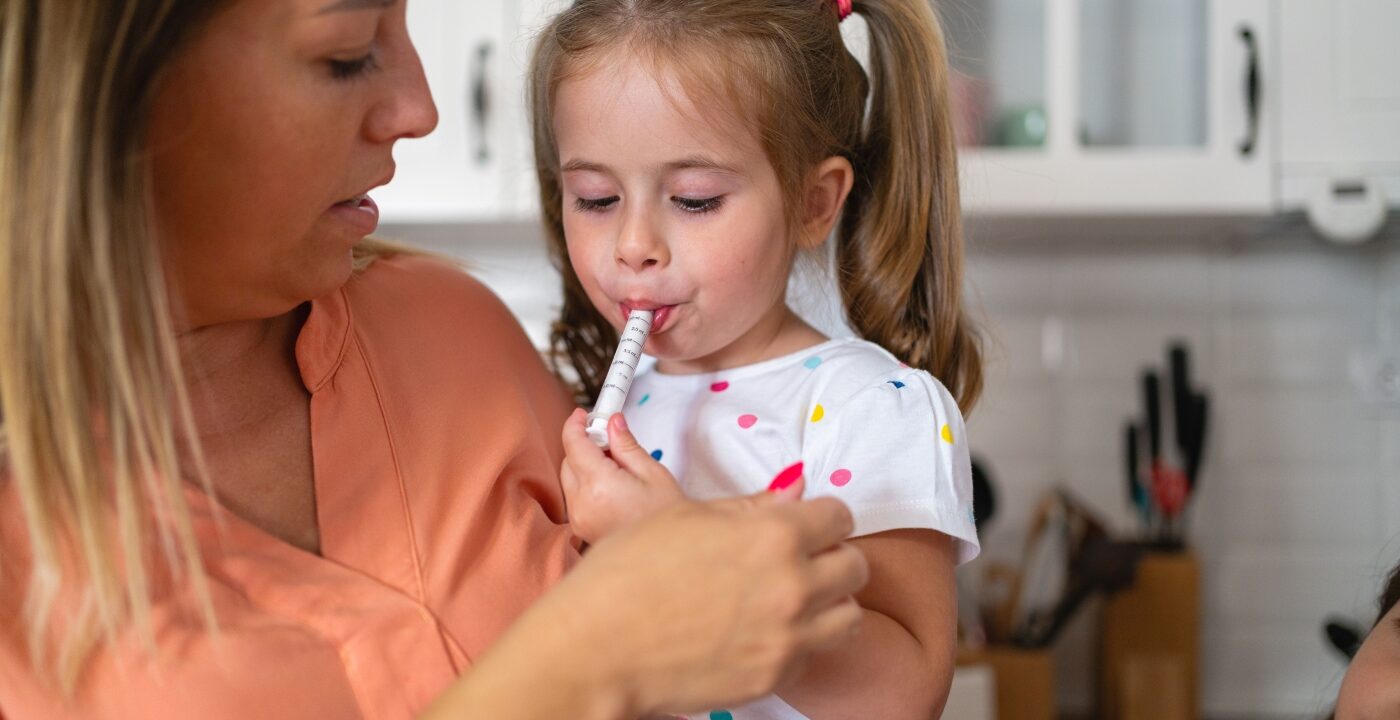
Through MultiCare Mary Bridge Children’s, pediatric patients like McKenzie can now take a dose of amoxicillin under medical supervision to determine if they are truly allergic. This process is called an oral challenge.
“We saw a real need for this service in the community,” says Mary Fairchok, MD, an infectious disease specialist at Mary Bridge Children’s Hospital. “An oral challenge to rule out penicillin/amoxicillin allergy can be safely done in our clinic in low-risk patients, without the need for costly and time-consuming desensitization. Removing this label can be very beneficial for kids who qualify.”
Penicillin/amoxicillin allergy labels often start with a rash
Like McKenzie, most people deemed allergic to penicillin/amoxicillin get that label after developing a skin rash the first time they take it. The concern is that if someone is truly allergic, they could experience a more severe allergic reaction if they were to take the same antibiotic again.
But people get rashes for a variety of reasons, and rashes don’t always indicate a dangerous allergy.
“Rashes are a common side effect of medications, and even some supplements, and they can also be caused by the infection itself,” Dr. Fairchok says. “Hives, a type of rash, are a common bodily response to infection.”
Sometimes people are mislabeled as allergic to penicillin/amoxicillin if they experience typical side effects of this type of medication, such as diarrhea or nausea. While unpleasant, these side effects do not indicate an allergy.
Once a person is considered allergic to penicillin/amoxicillin, it’s a label that’s likely to follow them for the rest of their lives.
Why does a penicillin/amoxicillin allergy label matter?
On the surface, being labeled as allergic to penicillin/amoxicillin may not seem like a big deal, but it can have negative consequences. One problem is that it reduces the number of treatment options available for infections.
“When a person is labeled allergic to this class of antibiotics, providers have no choice but to prescribe non-penicillin alternatives, which may not be the first-line treatment,” Dr. Fairchok says. “These alternatives may be less effective, are often more expensive and they tend to come with increased potential for side effects.”
Studies show that people who have a documented penicillin/amoxicillin allergy tend to have worse health outcomes — such as infections that resist treatment — than those who don’t.
New option for challenging the penicillin/amoxicillin allergy label
Traditionally, if you wanted to determine whether you were truly allergic to penicillin/amoxicillin, you’d need a referral to an allergy specialist for skin testing and desensitization, a lengthy and difficult process. During desensitization, a person receives gradually increasing doses of the antibiotic over time to improve their ability to tolerate it.
In recent years, the Infectious Disease Society of America and other health organizations have developed recommendations to safely test people at low risk for this allergy through an oral challenge — where a person takes a dose of penicillin/amoxicillin in a safe, supervised setting.
This service is now available (by referral) through our pediatric infectious disease specialists at Mary Bridge Children’s Outpatient Center – Tacoma. Patients ages 2-21 are eligible.
“When our pediatrician told us about this option, we were very interested for McKenzie,” says her mother, Erin Welch. “It was scary when she developed hives as a little girl, so we steered clear of amoxicillin after that, but sometimes that’s the best remedy. We thought it would be good for her in the long run to find out for certain if she was actually allergic.”
How a penicillin/amoxicillin allergy oral challenge works
Once patients are referred for a penicillin/amoxicillin allergy oral challenge, they’ll undergo an initial screening appointment (typically virtual/telehealth) to determine if they’re a good candidate for this process.
Patients who are eligible will go on to receive an oral dose of amoxicillin during an in-person appointment at the clinic while under supervision of medical staff.
“Most allergic reactions to penicillin/amoxicillin occur within an hour of taking the medication, so we monitor patients for that length of time,” Dr. Fairchok says. “If there is no reaction, we can de-label them as allergic. If there is a reaction, we have the tools to respond and safely care for them.”
Rarely, people can experience delayed reactions to these antibiotics, so parents must be available to monitor their children in the 24 hours following the oral challenge appointment, Dr. Fairchok shares.
“We had a good one-on-one conversation with Dr. Fairchok about what was going to happen during this process, and it all went smoothly,” Erin says. “It turned out that McKenzie had no reaction at all to amoxicillin, so we got to take that label off her medical record. I’ve been telling everyone I know about this option for testing.”
If you’re interested in scheduling a penicillin/amoxicillin allergy oral challenge appointment, ask your child’s health care provider to send a referral to Mary Bridge Children’s Pediatric Infectious Disease Clinic. Visit our Pediatric Infectious Disease page to learn more about this medical specialty and the referral process.
What's next
- Read these 5 tips for keeping kids’ brains stimulated over the summer
- Pack these essentials in your family’s first aid kit
- Keep it locked and unloaded — the importance of gun safety