Having trouble keeping your New Year’s resolutions? Choose habits instead
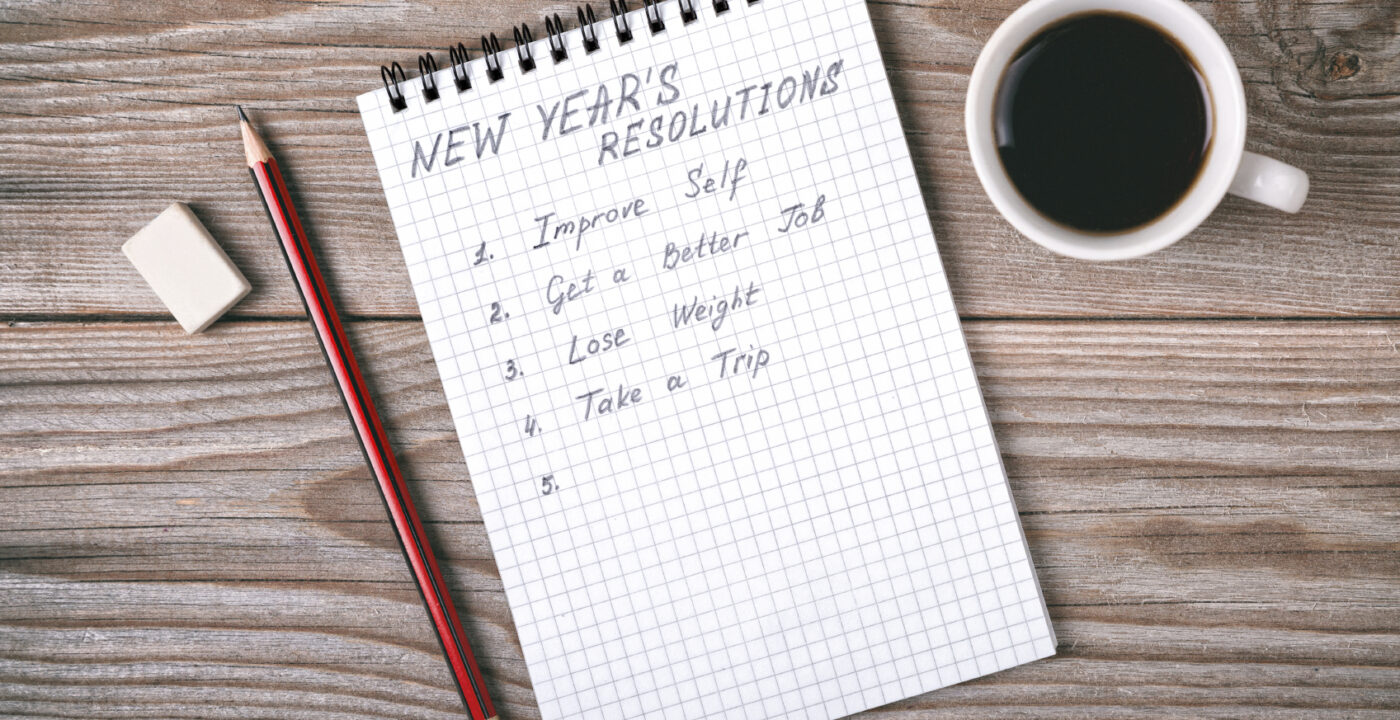
If you make New Year’s resolutions, do you stick with them?
If you do, that’s great news — many people don’t make it past the first few weeks.
If it’s a challenge, don’t fret — there’s another approach to making life changes that could be more effective.
Colleen McMeen, RD, CD, a wellness dietitian at the MultiCare Center for Health Equity and Wellness recommends starting new habits over goals/resolutions.
The difference between the two is that goals have endpoints, whereas habits are intended to be permanent changes in our behavior.
Goals rely on willpower. It’s common to revert to past behavior after a goal is reached — for example, going back to poor eating habits after restricting certain foods for a time or losing a set amount of weight.
Habits can become automatic and long-lasting if you choose them thoughtfully and engage in them long enough.
So, how do you develop a new habit?
“In order to maintain your best health and meet your nutrition and activity needs it’s important that your plate, movement and lifestyle are fulfilling, satisfying and enjoyable,” she says.
Explore the “why” behind the habits you want to change
Being clear on your “why” helps when motivation to change starts to wane. It may help to keep your reasons front and center by writing them down or making them visible in your daily life — think calendar sticky notes, screen savers or kitchen artwork.
The “what” of your goal should add rather than subtract
Focus on adding something to your routine, rather than taking away something so you don’t feel like you are depriving yourself. For example, add half of a can of fruit to your salad or meal at dinner.
Here’s the challenging part: the “how”
Start small. Add a new habit with a doable action item. Add two to five minutes of activity or five sit-ups or push-ups every day before lunch and gradually increase the number. Want to do meal planning and weekly menus? Start by making a weekly grocery list.
Make it memorable by linking it to another habit (called habit stacking). For example, after grocery shopping, fill a couple of pitchers in the refrigerator with fruit-infused water. Do stretches while you brush your teeth.
Change your environment to make the new habit the easier choice. Have cut produce ready to grab in the fridge, stock your car with water and a small baggie of peanuts — and your walking shoes. Add a favorite book to the coffee table and move the TV remote across the room.
Make it enjoyable! Go for a walk three times a week after dinner or on your way home. It can be for five minutes or 30 — you decide for how long. Add in another activity to make it fun whether that’s viewing the neighborhood architecture, saying hello to a neighbor on the way, walking with a friend, or listening to music or an interesting podcast.
The human “oops” factor
Build in accountability to keep yourself on track. If numbers and data help you thrive, make a chart; if you like to talk with others, ask for a weekly check-in with a friend. This helps you to track your behavior, see your progress, identify barriers and overcome setbacks. Check off your progress each time and get that dopamine hit!
Keep your new habit prioritized but in balance with the rest of your life. There are many facets of life that we need to pay attention to — don’t let any one of them consume all your energy.
If you miss a day, smile forgivingly and jump back into the new habit the next day.