Voices of MultiCare: Honoring Women’s History Month
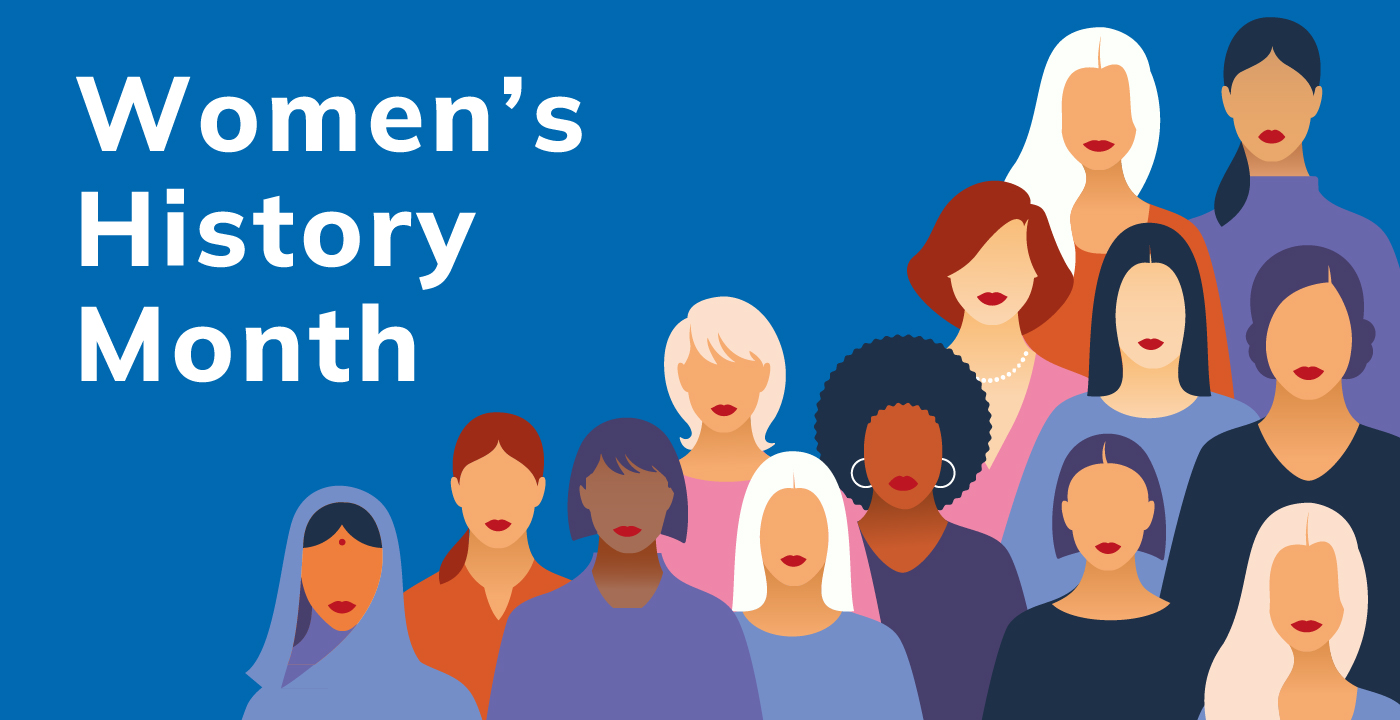
MultiCare is committed to cultivating, sustaining and evolving a genuine culture of belonging — an environment where all people feel valued and welcome for who they are. Celebrating and uplifting cultural and historical observances that reflect our workforce and community is a key part of that.
In recognition of Women’s History Month, we asked MultiCare employees to share their thoughts and the ways they recognize the observance.
Here’s what they had to say.
What does being a woman mean to you AND/OR how do you choose to celebrate and acknowledge Women’s History Month?
“Women like Katherine Johnson opened doors that once seemed impossible to unlock. They reshaped industries, challenged expectations and created opportunities for future generations. The best way to honor Women’s History Month is to remember these trailblazers — the women who paved the way for the rights, voices and freedoms we have today. It’s also a time to look forward and imagine the future women deserve: one defined by equality, dignity, opportunity and empowerment.”
— Tiare, administrative assistant
“I am a very independent and nonconventional woman, so it means a lot to me to be alive at a time and in a place where I am free to be myself. I am thankful for all the strong women who came before us, when it was not always acceptable to show strength and intelligence and to express opinions. Women’s History Month to me is about showing gratitude for the sacrifice these women made and to acknowledge how their struggle made it possible for the high level of participation in society that women have today.”
— Leigh Bowie, RN
“Being a woman means having all the education, freedoms, responsibilities and opportunities to grasp from birth on. It means finding your strengths day to day and dreaming of what your future can become. Grasping and recognizing education is the key despite being disadvantaged by poverty, health, circumstances, views others have of you and your potential. Being a woman holds so many paths forward as long as you see yourself willing to stand for what matters. This is not always easy, and ignoring others can be a key if they are dragging you down.”
— Terry Silvestrin, ARNP, menopause clinician
“I love the resilience of women. I love how in tune we are with our bodies, with nature, with our intuitions and our feelings. Women have had to be strong for hundreds of thousands of years, despite being labeled the ‘weaker sex,’ and we just continue to get stronger. It’s incredibly inspiring to see other women flourishing. I love when we build each other up. There’s nothing much stronger than a woman, and definitely nothing stronger than a group of women who love and inspire each other!”
— Jenny, peer bridger
“I choose to celebrate Women’s History Month by learning from the great women who have made a difference — Maya Angelou and Rosa Parks, to name a few. Personally, a month to maximize what I can do daily to be the best individual I can be and contribute to my home, church, work, community and in other ways.”
— Thea Johnson, nurse assistant
“Women’s History Month is about celebrating a population that has been systematically and chronically overlooked, underappreciated, overworked and oppressed. This is an opportunity to bring awareness to and help close the gap in this inequity, for women to encourage each other, for all genders to thank the women in their lives for holding us all up, and to shine a spotlight on women who make a difference in our world. Hopefully, one day soon, we can look back at women’s history and recognize none of that inequity in our present, and look forward to the brightest of futures with more women’s voices and presence in world leadership. This is the future that I want for my daughter.”
— Jolene Sparacio, centralized patient access representative
“I understand ‘being a woman’ as something deeply personal and diverse. It can mean strength and softness coexisting. It can mean resilience in the face of systems that weren’t always designed to support you. It can mean leadership, creativity, caregiving, ambition, courage, vulnerability — or any combination of these.
There isn’t one way to ‘be’ a woman. For some, it’s tied to culture and tradition. For others, it’s about breaking barriers, redefining expectations or simply existing authentically in everyday life. Womanhood can be powerful, complicated, joyful, exhausting, transformative — and entirely self-defined.”
— Jessica Torres, certified medical assistant
What does a genuine culture of belonging mean to you?
“Every day, everyone can show up as themselves and not be excluded or discriminated against. It means that my voice and the voices of those around me have equal weight and do not need to shout to be heard.”
— Rosie Freeman, unit-based nursing professional development
“A culture of belonging means feeling like the words you say matter. It’s a feeling you get when you walk into a crowd and you can just feel the temperature of the room change, and suddenly you feel like the words you say contribute to the group’s overall conversation and they are happy that you are there. You can tell from their nonverbal body language that they are happy to see you and to feel your overall energy.”
— Jennifer Carter, MSW, oncology
“We accept everyone as they are.”
— Christine Newberg, RN
In your opinion, how can we best address health care disparities among women?
“Encourage more research into women’s health. There is so much about women’s health that we don’t understand, and much of what was researched has become outdated over the decades.”
— Mary Lengel, medical receptionist
“It starts with letting down our stereotypes and listening to the needs of those women whom we are most familiar: our wives, partners, sisters, mothers and colleagues. Then putting our knowledge about women’s issues into political action, while fighting discrimination everywhere we see it in our daily lives. It starts with each one of us.”
— Brent Cupp, licensed mental health professional
What's next
- Learn more about women’s health care disparities
- Explore MultiCare’s culture of belonging
- See how the MultiCare Center for Health Equity & Wellnessis improving patient care