Mahogany Circle of Hope: A place for connection & support
At a glance
- Tacoma’s Mahogany Circle of Hope helps the BIPOC community with cancer support, resources and education
- The group addresses health disparities by boosting awareness, early screening and open conversations
- Members find emotional strength, shared experience and long‑term support during and after cancer treatment
Cancer is a lasting thing. From the moment you receive the diagnosis to the anniversary of that day decades later, it lives with you.
For people who haven’t had cancer, and even well-meaning family and friends, understanding the depth of cancer’s impact is nearly impossible. Recognizing the importance of having people around you who do understand is what inspired Gloria Bryant and Ameedah Hasan to form Mahogany Circle of Hope.
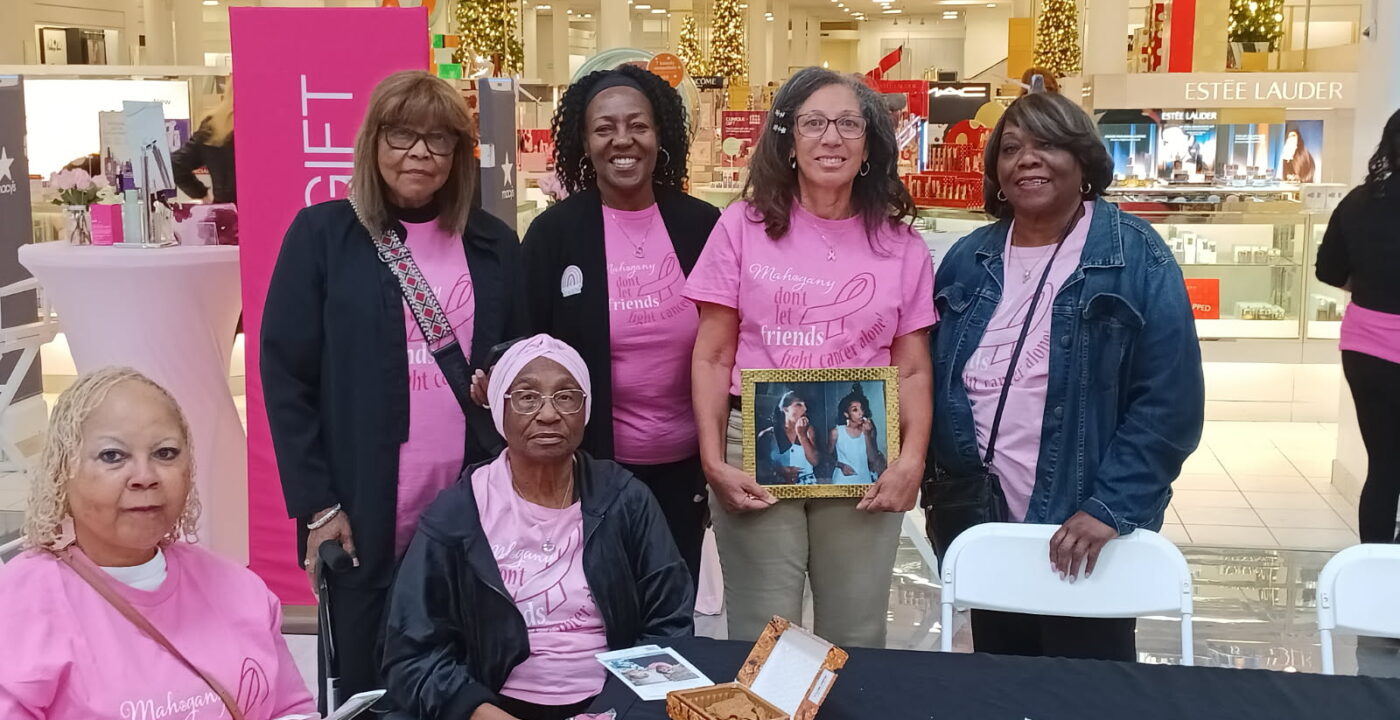
The Tacoma-based organization, referred to as Mahogany, serves primarily as a support group for BIPOC community members living with or recovering from cancer. In addition to being a space to gather and connect, Mahogany also supports members by providing comfort bags with items like journals, blankets, socks and snacks during treatment, as well as transportation assistance and medication pickup.
Education is also a key pillar of Mahogany, which hosts monthly guest speakers who share their cancer journeys and offers education on cancer prevention, treatment and advancements.
Filling the education & awareness gap
While Mahogany is open to everyone, they focus on educating and supporting the Black community — many aren’t aware of their risk or the resources available to them.
Bryant and Hasan say the knowledge gap they’re trying to fill isn’t surprising. Whether because of health care disparities in the BIPOC community, long-held cultural mistrust or a lack of communication among family members, critical information is not reaching everyone.
“It doesn’t matter your age or what you’re facing right now, you need to know what you should be watching for and what screenings you’re due for.”
“I knew people who had cancer, but in my mind I had no family history and I didn’t feel any different. … I knew very little about it when I was diagnosed,” explains Dorothy Brantley, Mahogany board member. “I’d been routinely getting mammograms for years and nothing. They told me I had dense breasts but never any detail about what that meant. … I think if I would have had more knowledge on that to understand what it really meant at that time, that would’ve been helpful.”
Mahogany’s belief is simple: The more you know, the more you can do to spot warning signs or prevent cancer altogether.
For example, research shows that African American women die during early- and late-stage breast cancer at higher rates than white women, and African American men experience prostate cancer at higher rates, Hasan explains. Awareness of these facts could help someone understand why they should start screening sooner.
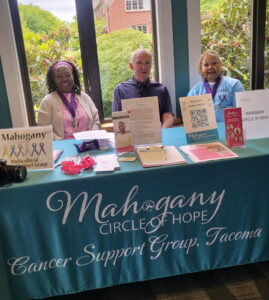
Dorothy Brantley, Mahogany member Dan and Gloria Bryant pose for a photo at the Pierce County Cancer Survivorship Conference.
“It doesn’t matter your age or what you’re facing right now, you need to know what you should be watching for and what screenings you’re due for,” Bryant says. “That’s also why family history is so important. As a society, we’re so private and don’t talk about our health … but when we do, we’re able to know what to look for.”
These conversations have since expanded to their podcast, The Mahogany Show, where members and guests discuss all parts of the cancer journey, as well as other topics like mental health, fatherhood, domestic violence, heart disease and more.
“We just want people to stay healthy and be informed, so we can all thrive in the community,” Hasan says.
More than a support network
Bryant explains how, despite being a 20-year employee in the MultiCare pediatrics department, even she felt lost when she was diagnosed with breast cancer.
“I was just shocked to have cancer and then to not know the next steps to take were. … I wanted support and people to hear what I was going through and maybe someone who had been through it who could give me tips like where to get supplies or bras,” Bryant explains. “But none of that was available then.”
On top of the physical and emotional toll of cancer come all the appointments, tests, paperwork and new daily routines to manage. It can quickly become overwhelming. Mahogany is there to help people navigate it all.

For Brantley, the positivity of her peers is what made all the difference for her. Whether they were currently in treatment, a decade into survivorship, male, female or facing another kind of cancer, everyone was just looking for support, she explains.
“I didn’t know what to expect at first. I was quiet and didn’t say anything that first time, just listened,” she says. “But over time, you become like a family. You might find someone going through the same thing but who has a different perspective on it … hearing people who are hopeful and looking forward to the future is powerful.”
The mental impact of cancer is one of the biggest things that sticks with you, explains Hasan.
“I thought I knew what I was doing and what to expect,” she explains. “But months later there’s an emotional aspect to it all and you need somebody to talk to, even if just for those daily hardships.”
More than 10 years after her diagnosis, Bryant says it feels like she’s still going through it.
“I think we’ll always go through it. We may always be wondering if it will be coming back, even after that five-year window they generally talk about,” she explains. “It can be such a scary thing … and sometimes you just need someone to talk to.”
What's next
- Learn more about health disparities in the BIPOC community
- Supporting someone with cancer? Explore our guide
- Find cancer care, resources and education at the MultiCare Cancer Institute