Pap smears: When to schedule & what to expect
At a glance
- Following HPV vaccine and pap test guidelines helps prevent cervical cancer
- Pap smears begin at 21 — repeat every three years until 30, then every five (if normal results)
- Pap smear appointments are quick; patient comfort and clear communication should be present throughout the exam
If you had the opportunity to even come close to eradicating a type of cancer, would you take it?
For cervical cancer, that possibility is real.
“Having a cancer that we know comes from a virus and can easily be screened for is something we should take advantage of,” says Sierra LaHaie, DO, obstetrics and gynecology provider at MultiCare Capital Women’s Health. “It’s one we could ultimately eradicate with appropriate vaccination and screening … it’s a chance we don’t always have with other cancers, and we should take advantage of that.”
Along with following current vaccination guidelines for human papillomavirus (HPV), which begin at age 9, women and people born with a uterus should know the importance of regular pap smear tests beginning at age 21.
What is a pap smear and who needs them?
A pap smear is one of the best methods health care providers have to screen for cervical cancer. Through a quick visual and physical exam, your provider can spot any obvious concerning lesions. They then collect cells in and outside of the cervix for testing, Dr. LaHaie explains.
The collected specimens are examined for abnormal cells and sometimes tested for HPV, the main cause of cervical cancer. You can also request that sexually transmitted infection (STI) testing be added to the screening, she adds.
2026 guidelines recommend:
- Scheduling your first pap smear at age 21, regardless of sexual activity. If results are normal, you only need to repeat every three years.
- Once you turn 30, HPV testing is automatically included with your pap smear. If results are normal, you only need to repeat every five years.
- If, at age 65, your pap smears are still normal, you can stop screening.
- If you’re under the age of 21, pap smears are not needed. Instead, focus on STI testing, physical exams and contraception.
“Younger women are able to fight off the virus at such a high rate, especially when vaccinated, so in the past we were kind of doing overtreatment for abnormal pap smears that their bodies would likely take care of themselves,” Dr. LaHaie explains. “We don’t want to subject them to more testing than is necessary.”
Because HPV comes from viral exposure, family history is not a significant risk factor. However, people with certain immunodeficiencies should talk with their doctor or other health care provider about starting screening earlier or getting more frequent testing, she adds.
What to expect from your pap smear appointment
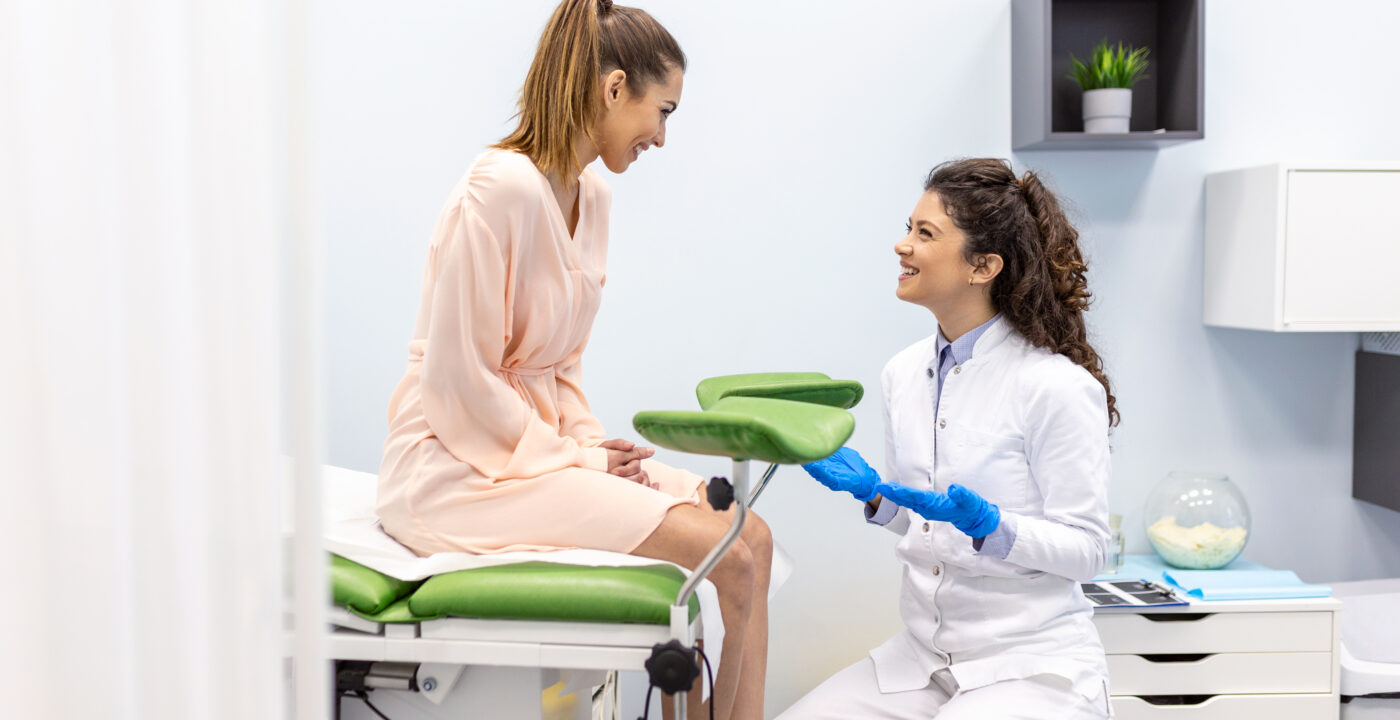
It’s completely normal to find yourself feeling anxious before a pap test, or vulnerable and exposed on the exam table. But remember: The only thing you need to do to prepare is rest assured that your provider’s goal is to make you feel comfortable, Dr. LaHaie says.
“You should always feel like you have a voice and not be afraid to speak up,” she says. “Whatever keeps you comfortable, we’re open to, so don’t be afraid to ask.”
It’s completely OK to request an appointment ahead of your pap smear if you’re seeing a new provider so you can meet first and ask questions, Dr. LaHaie adds. You may also request to listen to music or have a companion in the room during the exam.
Your provider will likely talk you through each step as they go so you’re not alarmed by anything.
Steps of the appointment:
- Check-in at your clinic at least 15 minutes early.
- You’ll be taken to the exam room by the medical assistant, who will take your vitals and ask if you have any requests for the exam.
- The medical assistant will step out of the room for you to remove all clothing from the waist down, then you’ll sit on the exam table with the provided paper blanket draped over your legs.
- Your provider will knock before coming into the room, then talk through a few more things with you, including what to expect from the exam.
- You’ll then move to the bottom edge of the exam table, lie back and place your feet in the stirrups. It’s important to take some deep breaths here so your legs can relax and open as needed for the exam.
- Your provider will tell you when they’re starting. They will first apply a lubricant to the speculum for easier insertion.
- Once the speculum is inserted, your provider will perform a visual and physical exam of the cervix. They will then use a small brush or spatula to collect samples from inside and outside the cervix.
- The speculum will then be removed, and your provider will perform a physical exam of the pelvic organs, if needed.
- You’ll then be instructed to bring your legs and feet down and redrape yourself. Your provider will finish sealing the samples, then step out for you to get dressed.
The exam should only take about five minutes, Dr. LaHaie says. Test results typically take one week to get back.
If at any point during the exam you feel pain, let your provider know. Sometimes the speculum may need to be readjusted, but it can also be a sign of infection, inflammation or other conditions that your provider can evaluate. The main thing you should feel during the exam is pressure, not pain.
At the end, you get to walk out of the clinic with confidence, knowing you’re doing what’s best for your health.
What's next
- What you should know about the HPV vaccine
- Your sexual health questions answered by a gynecology expert
- MultiCare obstetrics & gynecology — care for every phase of life