Should I see a doctor: Dehydration
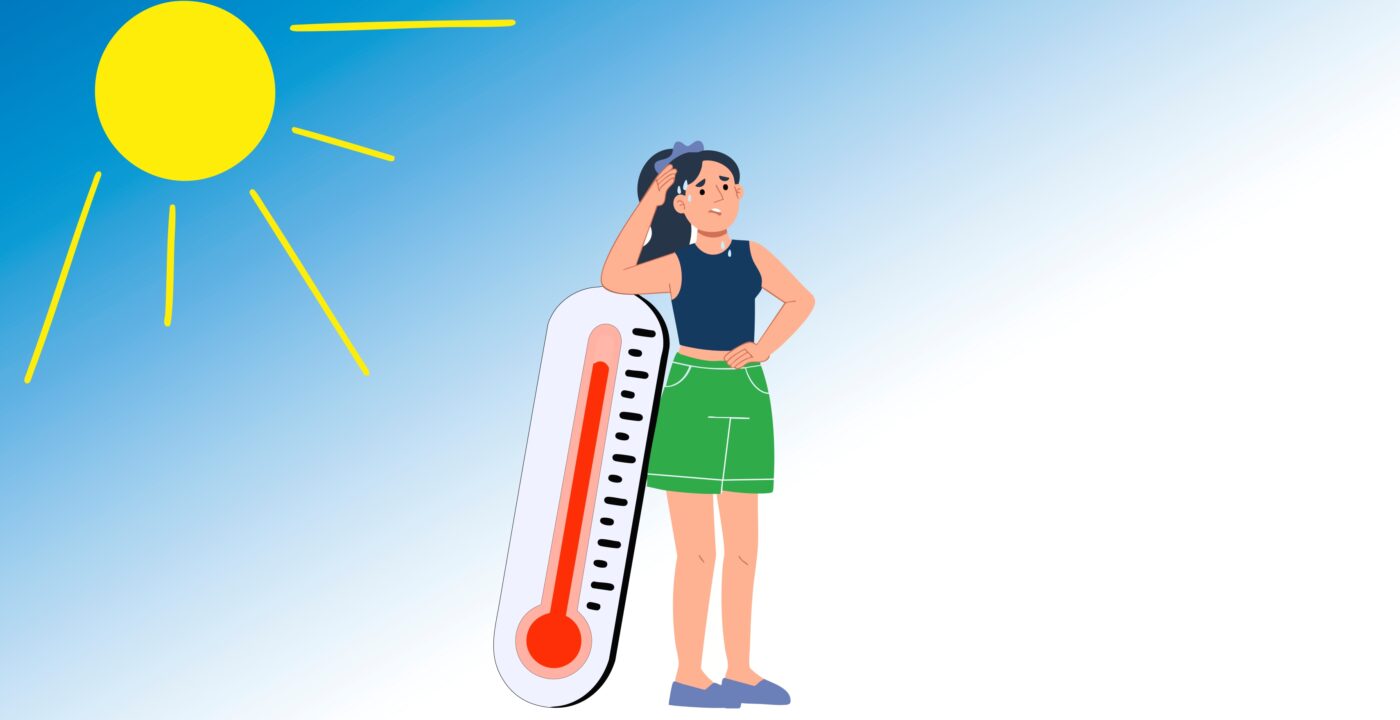
The sun is shining and you’ve taken your dog on a walk after a long day at work. As you sit down for the evening, you’re hit with a headache.
It dawns on you that you haven’t had a sip of water in hours, and now you’re chasing the dehydration away.
But when does that lack of water become a bigger concern?
What’s ‘normal’
In the simplest terms, dehydration occurs when your body doesn’t have enough water. When you’re dehydrated, it makes it harder for your body to stay cool, deliver nutrients through the body, get rid of waste, and perform well physically and mentally.
The main differences between a short-term concern and severe dehydration: the severity of your symptoms and whether you can reverse them quickly with a glass of water.
The most common symptoms of mild dehydration:
- Feeling thirsty
- Urine that is pale to medium yellow in color
- Minor headaches, dizziness and/or lightheadedness
If drinking a glass of water relieves your symptoms, you’re OK to continue treating yourself at home — but make sure to get more water throughout your day moving forward.
What’s ‘not normal’
If you don’t find quick symptom relief or if your symptoms are more severe by the time you notice, seek attention at urgent care or your nearest emergency department.
Symptoms that require immediate medical attention include:
- Extreme dizziness/fainting
- Weakness
- Confusion/delirium
- Dark yellow/orange urine
- Severe muscle cramping
- Nausea/diarrhea
- Racing heart
- Trouble breathing
How to care for your condition
The not-so-great news: If you’re feeling thirsty, you’re already 2-3 percent below your ideal hydration level.
The good news: Minor dehydration is easy to reverse and preventable by consuming enough water each day.
How much water do you need? As a general rule of thumb, divide your body weight by two to determine your recommended daily ounces of water. If you’re more active — you play a sport or perform strenuous physical activity — or if it’s hot outside, you’ll need more than that recommended baseline.
While water is the easiest option, there are many other ways to stay hydrated, including other liquids like juice and electrolyte beverages, or through fruits and vegetables.
Medical review for this information provided by Lisa Lovejoy, MEd, RD, CSSD, CD, MultiCare registered dietitian.