Should I see a doctor: Insomnia
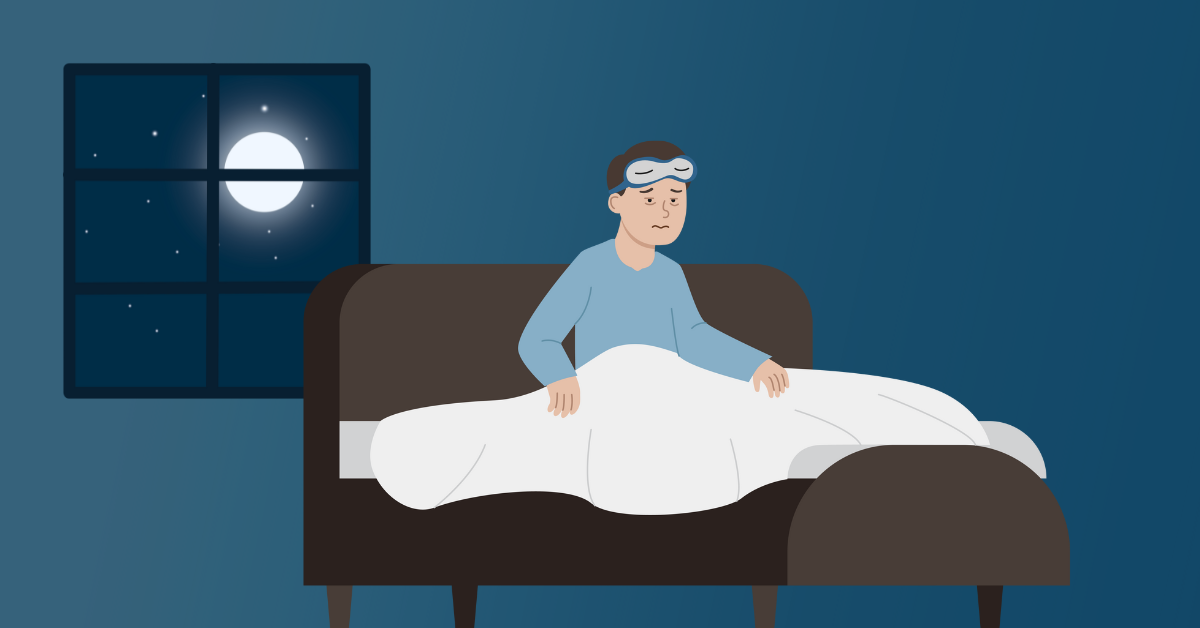
Tossing and turning all night? Relying on a sleep aid? Or staring at the ceiling so long you’ve memorized the paint splatters?
It’s time to take a look at your sleep habits and see if insomnia might be at the root your restless nights. Because not being able to sleep isn’t just in your head.
What you call “bad sleep” might actually be insomnia — a diagnosed condition where your brain and body struggle to fall asleep, stay asleep or wake up feeling restored, even when given the opportunity to rest.
What’s ‘normal’
A rough night or two of sleep during the week shouldn’t sound any alarms, especially if you’ve recently experienced stress, been traveling or had too much caffeine during the day.
If you’re able to recover quickly and get a good night’s rest in a day or two, consider it a momentary challenge and focus on some healthier sleep habits moving forward.
What’s ‘not normal’
Insomnia can have a mix of biological and behavioral causes. From health issues like sleep apnea, reflux, depression and anxiety, to poor sleep habits like late-night screen time and irregular schedules, many things could impact your body’s ability to rest.
If you’re struggling to sleep at least three nights a week for three or more months, or if a lack of sleep is disrupting your daily life — such as work and relationships — or causing mood swings, it’s time to see your primary care provider. They can refer you to a specialist, if needed.
How to care for your condition
The most important thing to remember is that insomnia is treatable.
First, get to know the risk factors so you can be on the lookout. Those more likely to develop insomnia include women (especially during hormonal shifts), older adults, people with anxiety, depression or chronic illness, and anyone under high stress.
At its root, insomnia is caused by the brain training itself to associate the bed with stress instead of sleep. But there’s good news: You can retrain yourself.
Develop healthy sleep habits:
- Stick to a consistent sleep schedule (even on weekends)
- Create a cool, dark, screen-free environment for sleeping
- Find a wind-down routine that works for you, like reading or meditation
- Avoid caffeine or alcohol close to bedtime
- Keep your bed a place for rest — don’t use it as an at-home office
If you’re still struggling, your doctor or other health care provider may recommend other options, including cognitive behavioral therapy for insomnia (CBT-I), which can help break the cycle, reset your body’s sleep rhythms and promote relaxation.
While sleeping pills may be helpful during severe flare-ups, research shows they’re not safe or effective when used long-term because of the risk for intolerance and dependency. Sleeping pills should only be used when recommended by your provider and when paired with other sleep strategies.
You don’t have to stay up all night worrying about why you’re not sleeping. You provider is here to help.
Medical review provided for this piece by Muhammad Usama, MD, FACP, MultiCare Neuroscience & Sleep Medicine – Auburn.