Don’t get burned this summer: 5 fire safety tips
Summertime is already warm enough — don’t get burned by fire, too.
From fireworks to bonfires and wildfires, make sure you’re ready for all the risks that fire can present. Follow our top tips to ensure your family stays safe around the campfire or any open flame this summer.
1. Never make your own or relight fireworks
That little Roman candle may seem harmless, but don’t let it fool you. It still has the power to seriously harm you, those around you and your environment. Know which fireworks are safe, legal and how to properly put on a dazzling show.
To reduce your risk of injury or sparking a fire, avoid:
- Making your own fireworks
- Attempting to relight a firework
- Holding fireworks in your hand or lighting a device while holding it
- Placing any part of your body over a firework before, during or after lighting
- Pointing fireworks at people, pets, your house or anything else that could easily be burned
2. Never leave a fire unattended
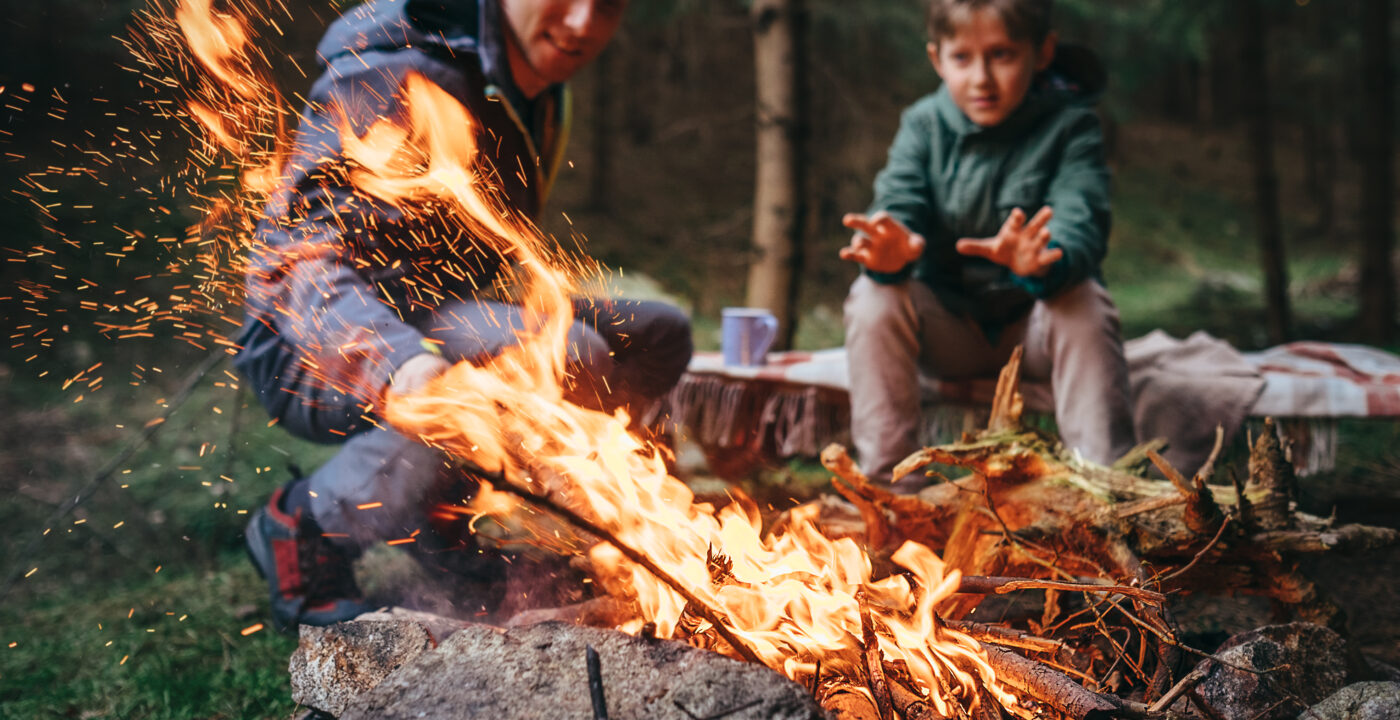
All it takes is one small gust to carry an ember into nearby plants and catch fire. Always make sure someone is watching a fire and knows where the nearest water source is, whether it’s a bucket or garden hose.
At the end of the night, don’t just throw a splash of water on the fire and call it good. Even the tiniest embers can reignite.. Douse the fire in water, use an appropriate tool to move logs/embers around and re-douse until you’re sure the fire is out.
3. Choose indoor activities when things get smoky
For most people, a few smoky days from wildfires may cause mild throat, nose or eye irritation. But for others — such as those with certain health conditions, older adults and young children — smoky conditions can be much more harmful.
When air quality drops, it’s best for everyone to avoid prolonged exposure by staying inside. If your home’s air system has a “circulate” or “fan” option, turn it on to help keep the indoor air a bit cleaner. Keep windows and doors closed and cover any open seals where smoke could sneak in, such as around doors.
4. Know safe food practices for campfire cooking
Most people will agree that dinner around the fire during a camping trip is delicious. But only when it’s done right. Avoid the risk of undercooked or contaminated food by knowing the best bonfire cooking practices.
- Cook over coals, not flames: Take the time to build up a strong fire and let it burn long enough to develop a solid base of hot coals to cook over. This will ensure a more even cooking temperature and avoid a burnt outside but raw inside, especially for meats.
- Take your time: Cooking over coals will likely take longer than you anticipate. Be prepared with additional fuel to ensure you can maintain heat long enough to fully cook your meal.
- Use fire-safe equipment: Avoid pots and pans not meant for open flames, such as those with plastic lids or handles which could melt and get into your food.
- Avoid toxic fire starters: Avoid potentially harmful fire starters that could contaminate your food, such as those containing wax, paraffin or kerosene. Also avoid chemically treated fire logs or homemade non-food-safe items like dryer lint or cardboard.
5. Check weather & wildfire warnings before hitting the trail
Sometimes it seems like thunderstorms come out of nowhere. Since all it takes is one lightning strike to start a wildfire, check the weather and for any fire warnings before hitting the trail or loading up your camping gear.
Check for current wildfire conditions on the Washington State Department of Natural Resources website, or nationally, on InciWeb.
Your local news station, newspaper, weather app or websites like The Weather Channel can provide current forecasts and typically provide information about any potential lightning and fire warnings.
What's next
- Find all the tips and tricks you need for a safe and healthy summer
- Injuries happen: Be ready and know where your nearest urgent care is
- Not sure where to go for your injury? See our guide to accessing care