Summer heat, shorter fuses: Tips to help you manage anger
At a glance
- Heat and dehydration can lower frustration tolerance, increasing the likelihood of anger and conflict
- Anger is closely related to anxiety — they share the same physical symptoms and emotional roots
- Acknowledging, investigating and managing anger can protect your health and relationships
The increase in sunlight during the summer provides a mood boost for many of us. Yet as temperatures climb, so can something else — our temper.
Hot weather affects our bodies and our minds, potentially making us more irritable and less able to cope with stress.
“When we’re not properly hydrated or unable to get relief from the heat, our frustration tolerance tends to go down,” says Mark Ingoldby, LICSW, a clinical social worker with the MultiCare Behavioral Health Network. “We’re less able to engage in problem-solving and may get angry more easily.”
Studies have shown connections between heat and increases in conflict and aggression. And even if anger does not erupt in violence, it can affect your well-being and your relationships when unchecked.
Find out what’s really going on when we feel angry, and learn tips for managing this emotion.
The relationship between anger and anxiety
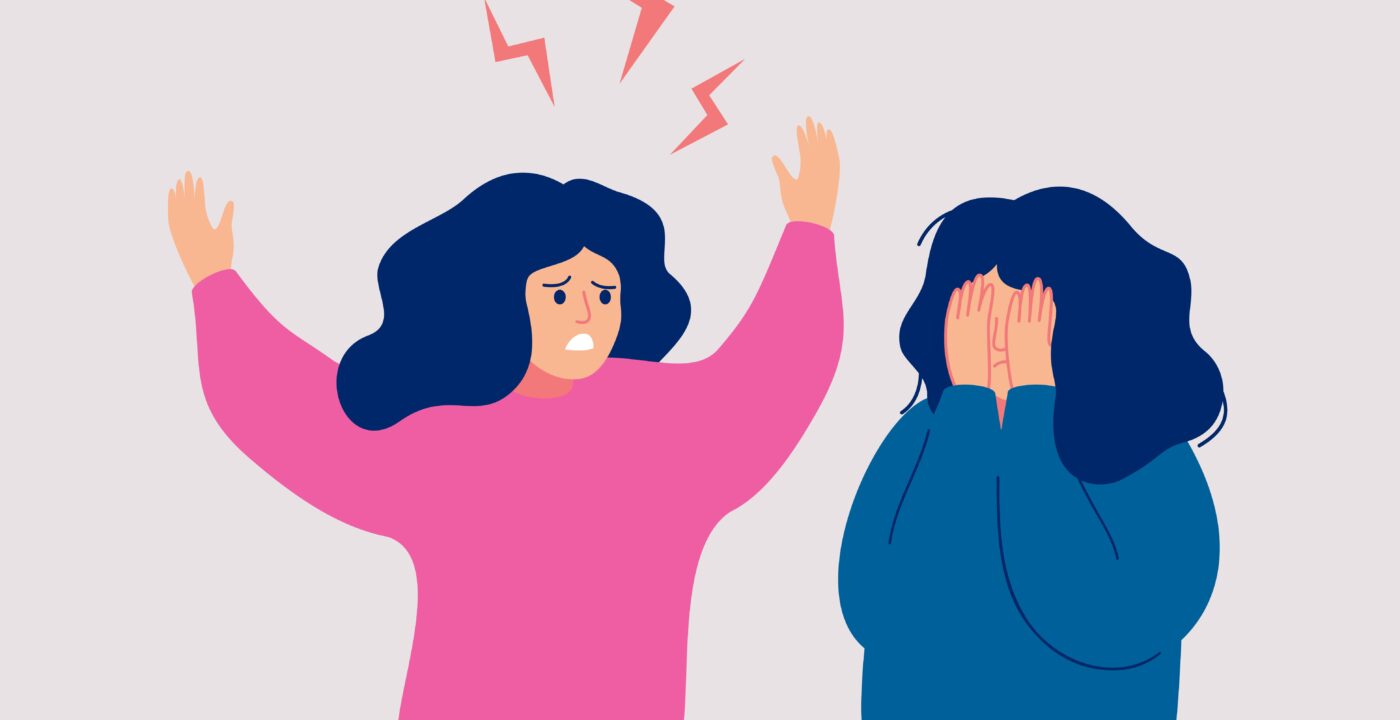
We all lose our cool from time to time — anger is part of the vast spectrum of human emotion. But what you might not know is how closely anger is connected to anxiety.
“When someone’s expressing anger, what they’re really communicating is that they’re anxious,” says Ingoldby, who also serves as supervisor of the primary care behavioral health program with the MultiCare Behavioral Health Network.
He continues, “Anxiety has progressive symptoms — it can build and build until we become overwhelmed, logic and reasoning go out the window and we explode in anger.”
It may come as no surprise, then, that anger and anxiety share the same physiological symptoms, such as sweating, shortness of breath, heart palpitations and muscle tension.
When we react with anger, we’re likely to say and do things we later regret, damaging our relationships. Persistent bouts of anger can also be harmful to your health, increasing your risk for heart attacks and strokes.
When is reacting with anger OK?
There are situations that call for anger, Ingoldby shares. If you need to create a safe environment or immediately set a boundary to protect yourself or someone else, then anger may help you make that point clear.
How to manage anger
No one is immune to anger — or anxiety — but there are steps we can take to effectively manage these emotions so they aren’t “managing” us.
Acknowledge rather than resist anger
When we feel angry or highly anxious, it’s tempting to try to control the emotion, but this strategy is likely to backfire. The more you resist or attempt to talk yourself out of feeling it, the more intense it becomes. Instead, acknowledge these emotions.
“When you acknowledge anger, you’re not condoning it,” Ingoldby says. “You’re simply recognizing its presence so you can start to move beyond it. Scan your body from head to toe and note what symptoms of anger you feel and where.”
Diaphragmatic breathing, also known as belly breathing, is a follow-up technique you can use to help promote a sense of calm.
Be curious about anger
Once your body is feeling calm, examine your reaction. Was it proportional to the moment? What’s simmering beneath the anger?
“Anger itself isn’t workable,” Ingoldby says. “We can’t do anything with this emotion, so we have to investigate what’s underneath it. Is it worry, fear, resentment or sadness, for example? Is it a learned communication style? Once we figure out what feelings and thought patterns are fueling the anger, you can start to address them.”
A tool that Ingoldby uses to help people understand the feelings behind anger is an anger thermometer. This item can be printed and carried with you.
Each time you get angry, rate your response on a scale from 1-10 (1 being the least intense anger and 10 being the most intense). Also note what triggered the episode of anger and the symptoms you experienced.
Over time, this tool can help you learn more about your relationship with anger.
Remember, you don’t know what you don’t know
Life is full of minor inconveniences, from a driver who cuts us off in traffic to a server in a restaurant who gets our food order wrong. Sometimes our frustration at these situations — particularly when they accumulate or when we’re dealing with other life stressors — can boil over into anger.
“You never know what someone else is going through,” Ingoldby shares. “Maybe that person who cut you off just lost a loved one, or maybe they’re in the midst of cancer treatment. Fostering that awareness in general can help you extend grace to others when they make mistakes instead of lashing out.”
Take care of your body and mind
Lack of sleep, unhealthy eating patterns, dehydration, exposure to extreme heat and over-caffeination can all contribute to anxiety — increasing the likelihood that you react to distressing situations or everyday frustrations with anger.
Evaluate your habits to ensure you’re supporting your ability to cope with stress. Getting regular exercise, for example, is key to keeping anxiety in check. When we’re anxious, our breaths tend to be fast and shallow. Physical activity combats this by forcing us to breathe more deeply, fostering a sense of calm, Ingoldby shares.
Know when to seek help for anger
If feelings of anger or anxiety are interfering with important facets of your life, like your relationships, your health, your job or your hobbies, it may be time to seek help.
Here are some signs to look for:
- Withdrawing from activities you once enjoyed
- Turning to substances to cope
- Engaging in patterns of behavior you frequently regret — saying or doing things that hurt yourself or others
- Hearing from others who are concerned about how you handle anger
- Feeling a persistently negative outlook
- Spending a lot of time ruminating about distressing events or minor inconveniences
“You don’t have to wait until you experience a major disturbance in your life to get counseling,” Ingoldby shares. “A therapist or counselor can provide an objective point of view and help you develop healthy coping strategies for anger, anxiety and other everyday concerns.”
What's next
- Is doomscrolling making you grumpy? Try a healthier approach to social media
- Take a deeper dive into anxiety and know when to get help
- Explore MultiCare’s behavioral health services