Don’t get benched this summer: 5 tips for playing safe
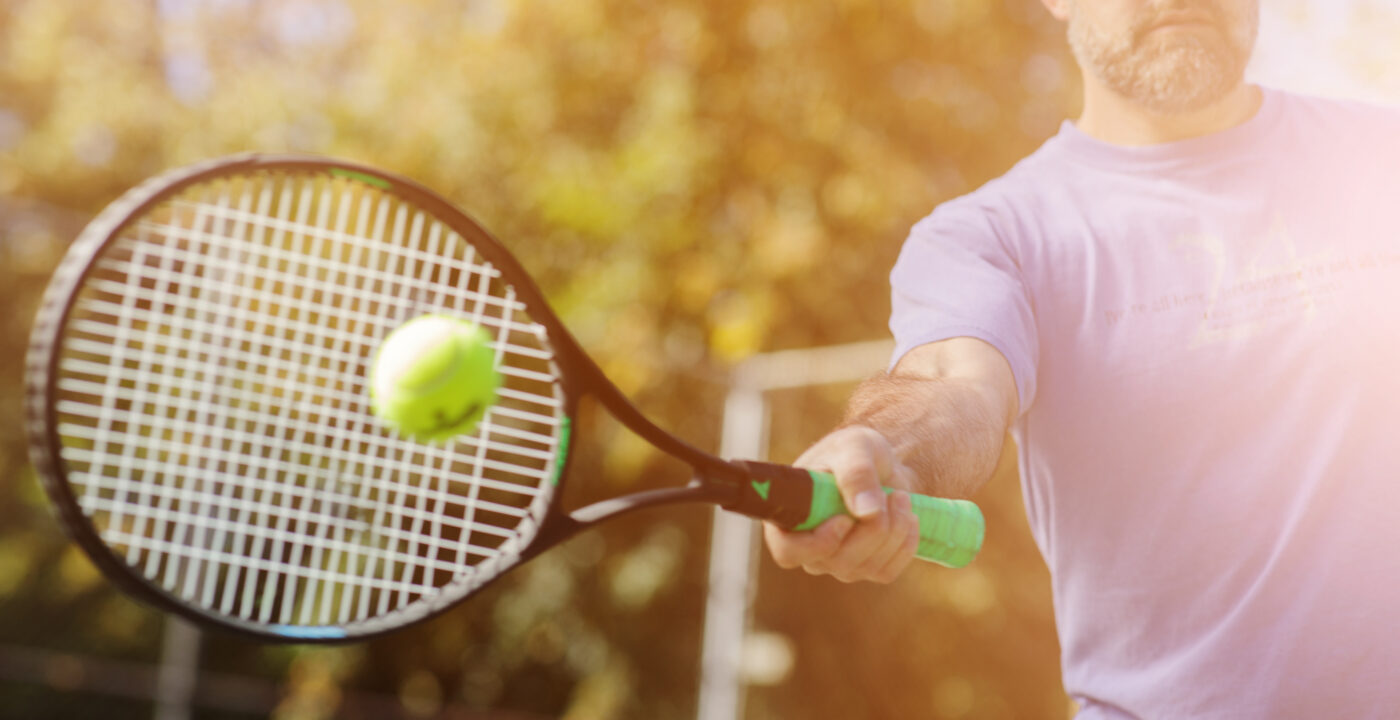
There’s something special about playing your favorite sport on a sunny day. And summertime offers plenty of sports to choose from: soccer, baseball, beach volleyball, tennis, pickleball and more.
Avoid getting benched this summer by following these top tips for your best and safest summer play.
1. Don’t forget to stretch
Just because it’s warm outside doesn’t mean your muscles are. One of the best ways to prevent an injury, such as an Achilles tendon tear, is to stretch before physical activity.
Start with a light warm-up, such as five- to 10-minute walk, then spend at least five minutes stretching. Hold each stretch for 30 seconds, breathe normally and don’t bounce or jerk during the stretch.
For the lower half of the body, the big muscles to stretch are calves, quadriceps, hamstrings, inner thighs and hip flexors. In the upper body, hit the major areas with chest, shoulders, triceps and biceps stretches.
2. Always wear a helmet
Electric scooters and bikes are all the rage these days, but don’t let yourself get so caught up in the excitement that you forget to put on your helmet.
A recent study showed a 49-fold increase in e-bike riders with head trauma over a five-year period. Those numbers aren’t surprising when you see how many people are cruising alongside traffic at speeds around 25 miles per hour, helmet-free.
While everyone should wear helmets regardless of age or riding skill, they’re especially recommended for kids and teens under the age of 16, who are particularly vulnerable to severe head injuries.
3. Avoid flip-flops on the basketball court
Wearing the wrong shoes for your sport increases your risk for both immediate and long-term injuries or pain, including in the arches, heels, toes, calves or knees. Plus, wearing shoes that lack proper protection leaves you vulnerable to getting your feet stepped on or a toe smashed.
The basics of picking the right shoe:
- Road walking/running: Hard surfaces call for a more cushioned sole.
- Trail walking/running: Trails can be unpredictable, so focus on stability, especially around the ankle.
- Tennis/pickleball/court sports: Look for shoes that provide better support and grip during lateral movements and shock absorption for the hard courts.
4. Know the signs of a concussion
Warm weather equals more people outside. When you or your kids are running and jumping around at a busy park or splashing around in packed pool, the opportunity for head injuries jumps significantly.
Rather than guessing if it’s just a headache or potentially a concussion after an impact to the head, neck or face, learn the warning signs so you know when to seek care. It’s always best to remove the injured person from the activity right away until they can be evaluated by a trained professional.
Signs of a concussion may begin immediately or within 24-48 hours and include:
- Headache
- Dizziness
- Cognitive symptoms like difficulty concentrating, short-term memory problems or slowed mental processing
- Sleep symptoms like difficulty falling or staying asleep, fatigue or altered sleep schedule
- Emotional symptoms like irritability, sadness or anxiety
5. Hydrate, hydrate, hydrate
If you’re thirsty, you’re likely already dehydrated, so it’s best to stay ahead of the game. As temperatures soar, your likelihood to get thirsty quicker also increases.
The exact amount of water each person needs will vary, but a general recommendation is to divide your body weight in half to determine how many ounces to start with.
If it’s especially hot or you’re participating in strenuous physical activity or sports, increase that amount or consider adding an electrolyte beverage or powder to your daily intake. Electrolytes help increase the amount of natural minerals in the body — primarily sodium and potassium.
What's next
- Find all the tips you need for a safe, healthy summer
- See how the MultiCare Orthopedics & Sports Medicine team can care for you
- Injuries happen: Know when to use heat vs. ice