Should I see a doctor: Moles
Throughout life you’ll hear loads of different health tips. From long-held mantras like “An apple a day keeps the doctor away,” to getting at least eight glasses of water a day, it’s hard to know which to follow and which you can ignore.
Luckily, the advice for moles is easy: If it isn’t acting up, pay it no mind.
What’s ‘normal’
A melanocytic nevus or mole is a normal feature of human skin and can appear at any point from before birth to middle age (35-44). Moles will likely change gradually throughout life and sometimes more rapidly for non-worrisome reasons such as hormone changes.
If your mole isn’t itchy or sore and isn’t bleeding or oozing, there’s often little reason for concern. If you’ve had the mole as long as you can remember and nothing has changed, you can probably let it be.
One of the most reassuring signs of a mole is if it grows hair. Moles tend to leave hair follicles alone, unlike skin cancers, which would kill the hair if present.
You may notice moles changing as your skin goes through new stages of life — slowly during decades of aging or more rapidly when pregnant or beginning puberty. These shouldn’t raise red flags.
What’s ‘not normal’
Despite misconceptions, not every mole is a predecessor to cancer. But staying aware of variations to your skin is important.
Drastic changes to an existing mole — bizarre shapes and colors, bleeding, oozing, pain or itchiness not caused by other skin conditions, or the formation of a sore that won’t heal — are reason to visit your primary care provider. They can assess if you need to see a dermatologist.
For new or changing moles, consider the “ugly duckling” test. If a new mole doesn’t look or act like any others, schedule an appointment with your provider. Don’t forget to tell them about any risk factors, such as radiation exposure or a first-degree relative with melanoma.
How to care for your condition
Stay vigilant but don’t overreact — moles rarely warrant a trip to urgent care. Instead, keep an eye on your skin, stay hydrated and moisturized, and wear sunscreen.
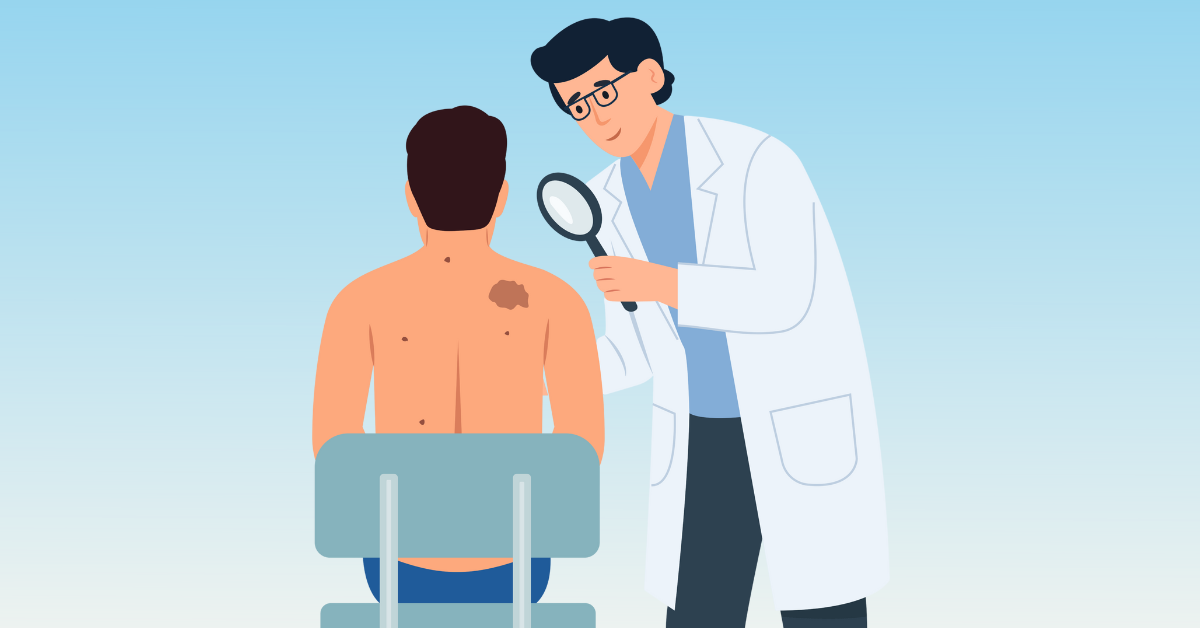
If you’re worried about moles you can’t see, such as on your back, it doesn’t hurt to ask your primary care provider to take a look. But simply having a mole isn’t a reason to worry.
Removing a mole won’t prevent skin cancer. But staying aware of skin changes and seeking help when something doesn’t look right may prevent skin cancer from causing more harm than it otherwise would.
Medical review provided for this piece by David Larrymore, MD, with MultiCare Rockwood Clinic Dermatology Center.
What's next
- Schedule your appointment online
- Our dermatology team can meet all your skin care needs
- Should I see a doctor: Snoring