Should I see a doctor: Rash
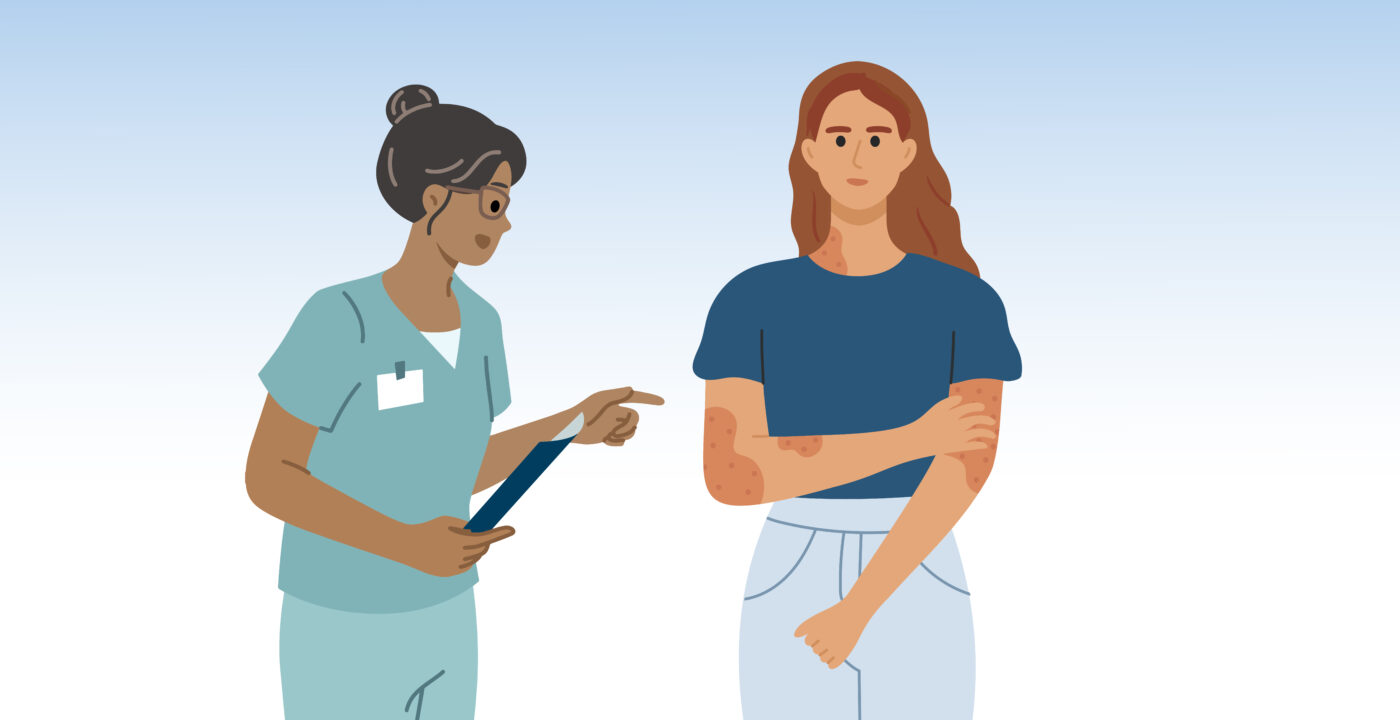
You wake up in the morning and notice a small red rash has formed on your arm. It’s not itchy or irritated, but you know it wasn’t there before you fell asleep.
So, what do you do? Rush to urgent care or wait it out?
What’s ‘normal’
Skin is your largest organ and will let you know when it’s unhappy. A rash is an instant message from your skin saying “Something is wrong.”
But not all rashes are reason for concern. In fact, there are very few instances when a rash should send you to urgent care or the emergency department.
Still concerned?
Google now allows you to upload a picture of your rash and will help you search for skin conditions that look similar to yours.*
* This should not be taken as medical advice, only consideration for next steps
Rashes come in various shades of pink, but if they’re not painful, itchy or causing other symptoms, it’s best to treat at home and wait it out. The skin renews its barrier every seven days, meaning your rash could last that long without concern. It may be a minor allergic reaction or irritation from a new clothing detergent or lotion.
For children 5 or younger, it’s common to develop a rash when sick with a virus. The rash will pass as the virus does.
What’s ‘not normal’
If your rash is causing irritating symptoms like pain or itchiness, you’ve developed a fever, it lasts longer than a week, is spreading or getting larger, something more serious may be going on.
One indicator there’s a bigger concern is if the rash is blanchable — that is, it momentarily turns white when you press a finger on it. If the rash more closely resembles a bruise or is dark red and doesn’t turn white when you press on it, you should consult your primary care provider.
How to care for your condition
For rashes that fall under “normal” symptoms, your best first step is an antihistamine like Benadryl, Xyzal or Zyrtec. Antihistamines can help reduce the spread and duration of the rash, as well as ease any potential itchiness.
For a bacteria-caused rash, you’ll want an antibacterial treatment, such as first aid cream.
For fungal rashes — typically located in moist, dark areas of the body such as the underarm or groin — you’ll need an antifungal treatment. Fungal rashes are commonly caused by stress, weakened immune systems or high sugar intake, and will likely last longer than other types of benign rashes.
If these treatments aren’t working within the first week of appearance, or if they appear on more sensitive areas of the body, such as your face, fingers or toes, schedule an appointment with your primary care provider as soon as possible.
If you’re experiencing a severe allergic reaction, including difficulty breathing, seek emergency care right away.
Medical review provided for this piece by Helen Kim, MD, with MultiCare Gig Harbor Primary Care.
What's next
- Schedule your appointment online
- Our dermatology team can meet all your skin care needs
- Should I see a doctor: Moles