A mother’s realization leads to life-changing weight-loss success
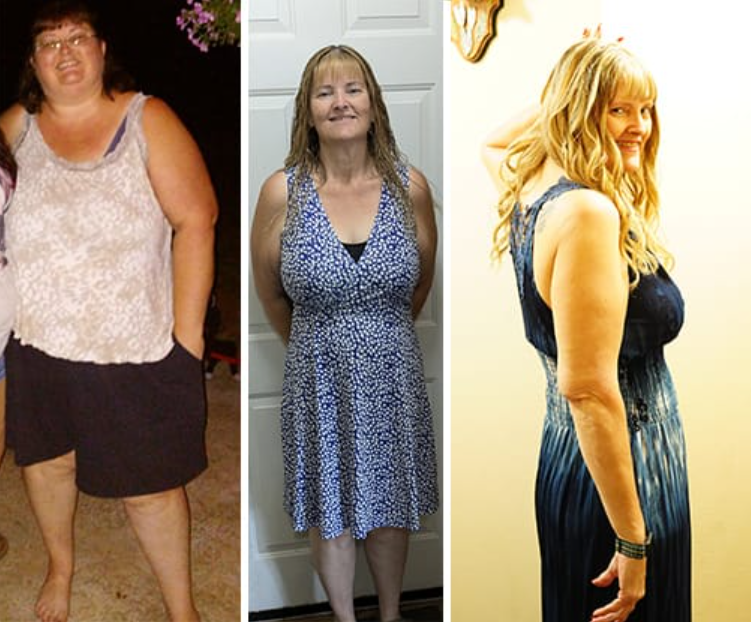
Marjorie Kulp, 52, lived with a multitude of health problems for years.
“I was very sick,” she says. “I had fatty liver disease that was killing me. I had diabetes. I had high cholesterol and high blood pressure. I was incontinent. My knees needed to be replaced; I couldn’t walk.”
Kulp required a caregiver to help with things at home and a walker or scooter to be mobile.
Four years ago, she met with Jonathan Spitz, MD, a bariatric surgeon at MultiCare Rockwood Weight Loss & Bariatric Surgery Center. She decided that undergoing weight-loss surgery was a necessary step she had to take for her health and for her son’s sake.
“My son has special needs — I’m his sole person, and I was dying,” Kulp explains. “I couldn’t let that happen. I need to be around as long as possible for my child.”
She says most of her health problems were related to being overweight her whole life.
“I weighed 190 at 17,” Kulp shares. “I was over 300 pounds when I went into surgery.”
Within six months, all her obesity-related health issues vanished.
“The high cholesterol, high blood pressure, the diabetes — all went away,” she says. “I’m no longer incontinent, and I no longer need a caregiver.”
Rediscovering mobility
Because of the weight loss, Kulp got knee replacement surgery, which she didn’t qualify for before bariatric surgery.
“I’m walking more now than I had been able to in a long time — and unassisted,” she adds.
In addition to being able to walk, she discovered the weight loss allowed her to do things she never thought she could do.
“I’ve found that I really enjoy zip-lining, and I want to do more,” Kulp says. “There’s a course in Coeur d’Alene where you have lunch up in the trees.”
She can also do activities with her son without having to suffer.
“It’s hard to go have fun when you’re miserable at the same time,” she says. “Now we’re able to go camping again like we used to and do things he’s only been able to do sporadically because of my health.”
Ongoing care post-surgery
Kulp still sees Kathrine (Katie) Hawley, ARNP, at the weight-loss clinic for regular check-ups, and will schedule an appointment with the dietitian if need be.
“Once you’ve had gastric bypass, you need to eat correctly because your body doesn’t absorb nutrients as well,” she explains. “If I run into an issue with labs, like if my protein is off, Katie will adjust what I need.”
Kulp’s transformation was remarkable. She went from size 24 to 6.
“I’ve gone through a huge change,” she says. “People who haven’t seen me in a while don’t recognize me. I don’t look like the same person — I’m down about 180 pounds.”
Now, she’s in the process of skin removal surgery (read about it here). Once those surgeries are complete, she’ll have even more ability to do the things she enjoys.
“I can’t wait for my skin to be fully healed,” Kulp adds. “I look forward to doing activities I haven’t been able to enjoy in a long time.”
She acknowledges the surgery was a powerful tool, but not a magic wand.
“People think the surgery is easy and it’s going to do it all — but that’s not the case,” she says. “It’s a long journey, and you need to be committed, but it is so worth it.”
What's next
- Is weight-loss surgery right for you? Take the health assessment
- Learn about bariatric surgery at MultiCare
- Attend a free seminar about weight-loss surgery