Ask a doctor: Is my child starting puberty?
Did your son’s voice just drop an octave? Is your daughter suddenly dealing with more pimples than usual?
The telltale signs of puberty are showing.
Here, we break down what you should look for and when to get support for your child as they navigate the many changes that come with maturing.
The quick answer
Kids are constantly changing and growing. Sometimes it’s slow, while other times it’s a big growth spurt. When and how puberty hits will be different for everyone.
The good news for parents: There are a few easy-to-spot signs to let you know puberty has probably started.
Most girls begin puberty between ages 8-13, while boys typically begin between 9-14.
Early signs include:
- Physical changes like enlargement of breasts or reproductive organs
- Growth spurts
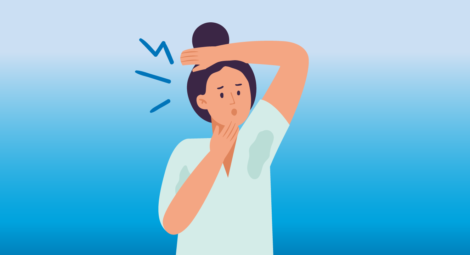
- Body odor
- Heightened emotions/mood swings
Take a deeper look
Puberty refers to the physical and hormonal changes the body goes through to reach sexual maturation. While many of the changes your teen experiences will be physical, those same hormones can also directly impact their mental and emotional well-being.
Your child’s pediatrician may refer to the Tanner stages when tracking puberty progression. This system breaks puberty into four general phases, which helps everyone identify where they are and what to expect in the coming months and years.
Tanner stages will look different for each teen and should be used only as a baseline, not a rule. The fifth Tanner stage is full physical maturity.
Stage 1
- Often no visible physical changes, but adrenal glands are maturing
Stage 2
- Girls (8-13): Enlargement of breasts, areolas, clitoris and uterus; some pubic hair; height increases; growing pains; body odor
- Boys (9-14): Growth of genitals and pubic hair; height increases; growing pains; decreased body fat; increased body odor
Stage 3
- Girls (9-14): Breasts continue to grow; pubic hair growth and changes in texture; larger growth spurts; acne
- Boys (10-16): Genitals continue to grow; nocturnal emissions; changes in pubic hair color/texture; body odor; vocal changes/cracking; increased muscle mass
Stage 4
- Girls (10-15): Menstruation typically begins; breasts continue to grow; areolas form a separate mound; continued pubic hair growth; height increases; acne
- Boys (11-16): Genitals continue to grow and change in color/texture; body hair reaches adult levels; larger height spurts; acne; continued voice changes/cracking
Post-puberty
- Both girls and boys may continue to experience some changes, such as increased hair growth (like facial hair for boys), but most have reached physical maturity by this point
Along with physical changes, teens may feel a mental and emotional rollercoaster as hormones surge and they get used to a new body. You may notice self-esteem or confidence struggles, mood changes/outbursts or an increased interest in expressing their sexuality.
Puberty is the transition to physical maturation, but the brain continues to develop and mature into a person’s late 20s.
When to seek care
Stay on top of the Tanner stages. If your child is showing signs of puberty too early or not at all by their mid-teens, contact a pediatrician. Conditions such as nutritional deficiencies or genetic variations can affect your child’s internal timeline.
Don’t stop paying attention just because it’s the right time for puberty, though. Consult a pediatrician if your child:
- Experiences extreme growth spurts/pains
- Experiences sudden/severe changes
- Has severe acne that won’t go away with over-the-counter cleansers
- Experiences irregular periods after the first year of menstruation
- Says their period pain is more painful than “mild” or is consistently heavy
- Shows signs of anxiety, depression and aggression, or has extreme mood swings
Medical review provided by Andrea Donalty, MD, MultiCare Mary Bridge Children’s Pediatrics. Note: This information does not qualify as individualized medical advice. Please schedule an appointment with your care team to ensure the most appropriate care.
What's next
- Schedule an appointment online
- Find pediatric health care for every stage of your child’s life
- Ask a doctor: Am I lactose intolerant?