Should I see a doctor: Low libido in men
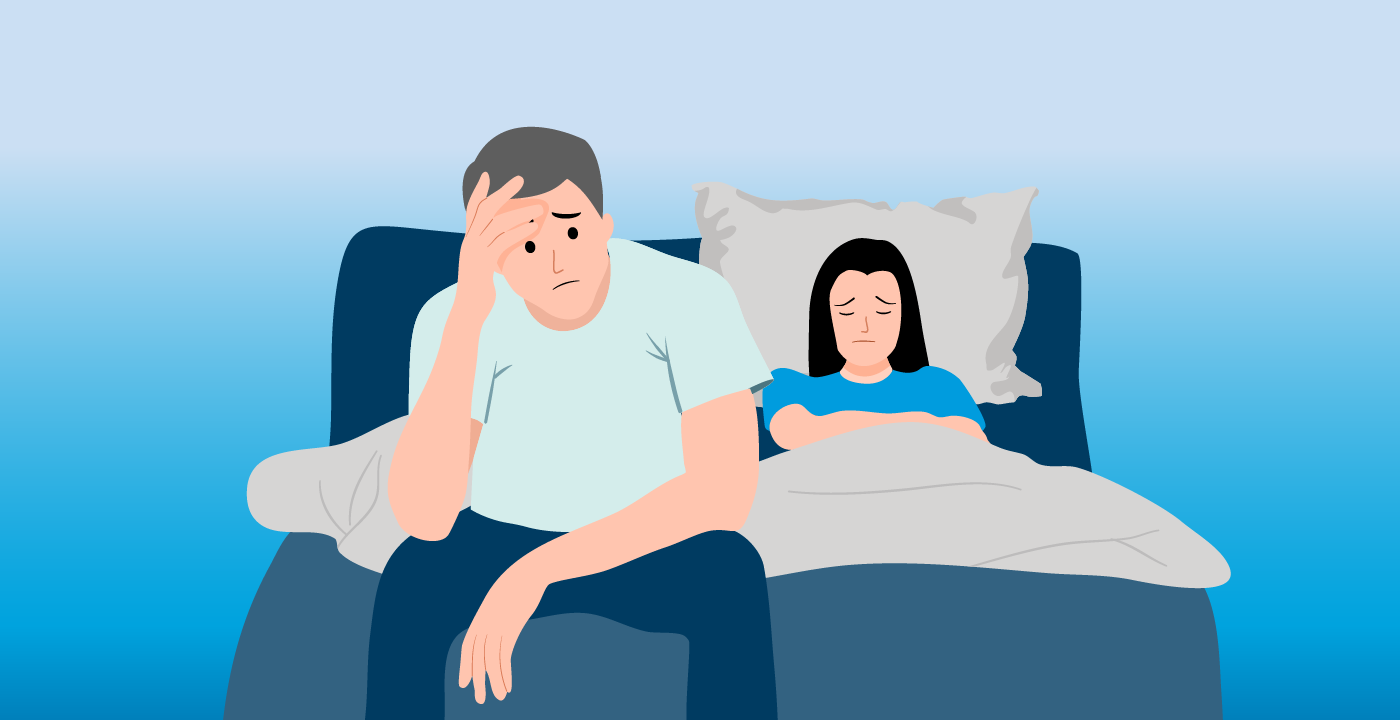
Changes in sexual desire, also known as libido, are common in men and can have a variety of underlying causes. Despite this fact, many men are hesitant to approach the topic with their health care providers.
It’s important to know that low libido doesn’t mean anything is wrong with you, or that you’re forever changed.
From hormones, physical and mental health conditions, stressors and relationship challenges, many factors can play into libido — all of which can be addressed with your doctor or other health care provider.
But how can you tell when it’s just a momentary dip, versus something more serious?
What’s ‘normal’
There isn’t a “normal” level of sex drive that every person should have.
Short-term dips in libido are common. They’re typically nothing to worry about if things return to what’s normal for you within a few days or weeks. Factors like work stress, a rough night of sleep, excessive alcohol consumption or relationship conflict could cause a temporary drop in libido.
Not surprisingly, testosterone levels play a significant role in a man’s sex drive. Testosterone levels naturally decline with age, beginning in your 30s and 40s. The rate of these changes vary person to person, as well as symptoms like lessened sexual desire, decreased muscle mass, fatigue and mood changes.
Other conditions that could impact libido include psychological concerns like depression or a physical diagnosis such as diabetes or cardiovascular disease. Poor sleep or sleep apnea, as well as some medications, high-dose steroids or marijuana use, may also impact libido. These can all be addressed with your primary care provider.
The key to knowing what’s normal for you is staying open with your provider and discussing the impact of these lifestyle factors or health conditions as they come up.
What’s ‘not normal’
Red-flag signs you should be on the lookout for: either persistent or sudden drastic changes in sex drive.
If your sex drive stays low for weeks or months and doesn’t bounce back like you’ve experienced in the past, that could be a sign of hormone issues, stress or an underlying health condition. Diabetes, cardiovascular disease, thyroid issues, sleep apnea or obesity could be the root of your problem.
If you experience a sudden and unexplained drop in sexual desire, schedule an appointment with your health care provider. Additionally, seek care if you have low libido and erectile dysfunction symptoms at the same time.
How to care for your condition
Your best treatment plan starts with talking to your doctor or other health care provider. Because low libido can be impacted by so many different factors, physical and not, your provider can help you nail down how to approach treatment.
Your appointment will likely start with a thorough evaluation of your physical and mental health as well as lifestyle habits. You may also be screened for any potential underlying physical conditions.
There are steps you can take to maximize sexual health, including:
- Reducing stress and anxiety
- Seeing a therapist/counselor
- Improving sleep habits
- Making changes in romantic relationships
- Getting regular physical activity
- Eating a balanced, nutritious diet
- Reducing alcohol consumption
In some cases, your provider may recommend hormone therapy to support testosterone levels. To ensure your best health, don’t begin any hormone treatments without first consulting a doctor or other health care provider.
Regardless of the cause, decreased libido is common. Rest assured that your primary care provider is well-equipped to evaluate and guide treatment. The first step is to recognize the problem and schedule an appointment.
Medical review provided by Clinton Hauxwell, MD, family medicine provider at MultiCare Rockwood Clinic. This information does not qualify as individualized medical advice. Please schedule an appointment with your care team to ensure the most appropriate care.”
What's next
- Men, when was your last health screening? Learn which tests you may need
- Don’t wait — schedule an appointment with your health care provider
- Know how to spot the warning signs of prostate cancer