Should I see a doctor: Grief
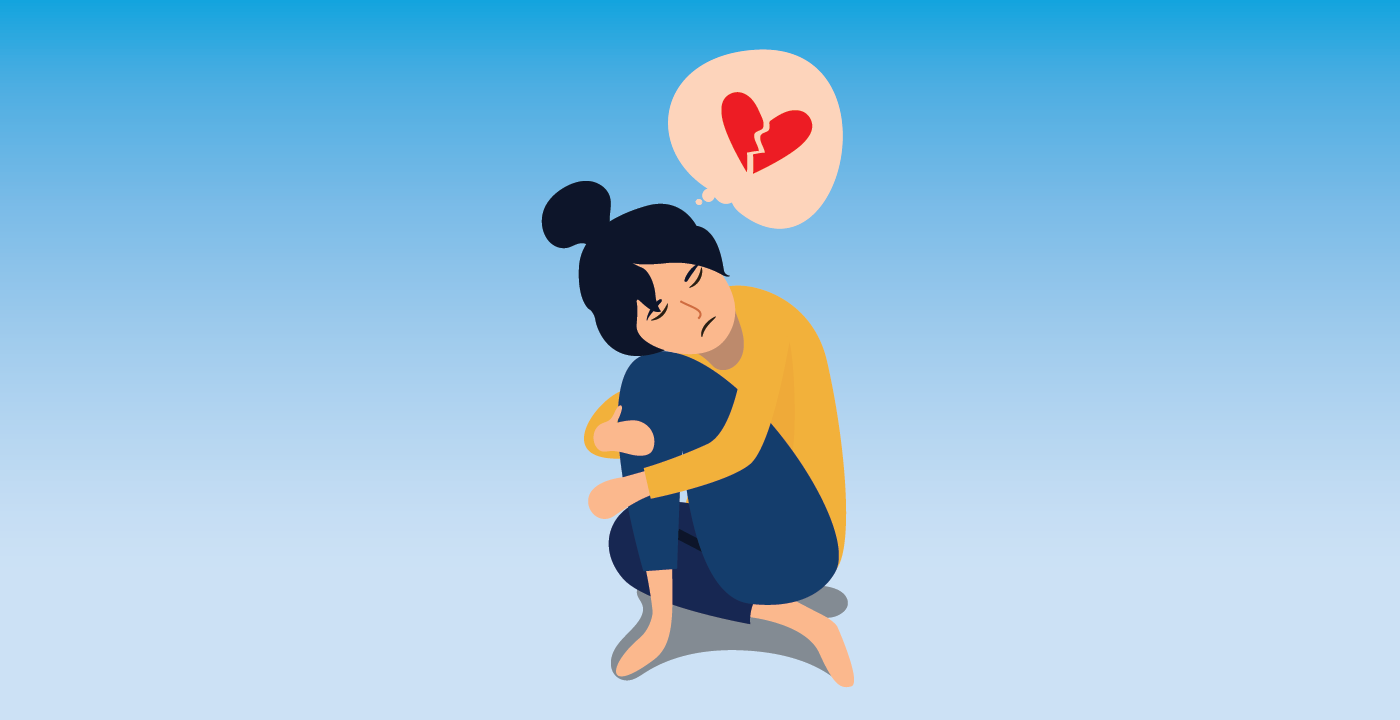
Whether it’s the death of a loved one, the end of a relationship, a major life transition, or a change in your health or abilities, loss is hard.
The how, what and length of grief is uniquely individual. But one thing everyone has in common: You don’t have to face it alone.
What’s ‘normal’
First, know that grief is an entirely natural response to many kinds of loss, including:
- Changes to your physical ability or function
- Death of someone in your life
- The end of a relationship or phase of life
- Mental/emotional challenges
- Career/school-based
- On behalf of another person, event or pet
- Anticipation of an upcoming loss or change, such as a family member in hospice care
While there’s no “right” way to grieve, there are a few things you can expect.
Most people will go through some form of the five stages of grief: denial, anger, bargaining, depression and acceptance. Moving through these stages won’t always be straightforward — you may move back and forth or feel several at once.
Grief can also show up physically, including symptoms like:
- Gastrointestinal distress
- Headaches
- Nightmares/sleeplessness
- Changes in appetite
- Heart palpitations
Most of these symptoms should be short-lived and treatable with over-the-counter options.
How long you grieve will also vary depending on the situation. For some people, losing a close family member may take longer to accept than the end of a romantic relationship, but vice versa for someone else.
What’s ‘not normal’
While grief is healthy, staying in dangerous or emotionally taxing stages of grief for too long can be harmful.
Stages of anger or depression that persist and impact your daily life, sleep, relationships, work or school should be addressed sooner rather than later. If you don’t already have a behavioral health provider, start with your primary care provider or contact a crisis support network.
Healthy coping mechanisms are important in the grieving process, but so is recognizing when your actions may not be productive or safe.
Seek support if you notice behavior such as:
- Isolation
- Increased substance use
- Feeling trapped in survivor’s guilt mindset
- Post-traumatic stress disorder (PTSD) symptoms
- Suicidal ideation
- Risky sexual behavior
- Extreme changes in eating habits
While everyone feels and expresses their emotions differently, avoiding them altogether can complicate and prolong your grief. Don’t be afraid to express your feelings, whether that’s crying or finding safe ways to release anger. Crying can release cortisol, the body’s stress hormone, which helps lower stress levels associated with grief.
How to care for your condition
If you know a loss is coming, be proactive. Schedule an appointment with your behavioral health provider to discuss what to expect and set up strategies for your response. Or lean on those around you for support as you prepare for what’s to come.
In many cases, though, loss is sudden or unexpected. That’s when it’s most important to find a safe outlet that works for you.
Outlets could include:
- Talking to family or friends
- Meeting with a behavioral health provider
- Contacting a mental health crisis support service (many offer services outside of crisis situations)
- Journaling or writing a letter to the person/pet/thing you lost
- Connecting with your community — faith or volunteer groups or a sports team
- Spending time with your pets
- Finding ways to honor someone you’ve lost, such as cooking their favorite meal or planting a tree in their name
If you find yourself turning toward unsafe coping mechanisms or feel like you can’t pull yourself out of the sadness, don’t hesitate to contact your primary care provider. They can provide support, referrals and options for short and long-term care.
Grief can feel overwhelming, surprising and come in waves. But it’s important to remember that other emotions like joy are still there and OK to feel at the same time. Find something that brings a little joy to your life each day — even if it’s just a 10-minute fetch session with your dog — and remind yourself that the grief doesn’t have to last forever.
Review provided for this piece by Alexis Schleiss, integrated mental health therapist and collaborative care supervisor, MultiCare Behavioral Health Network.
What's next
- Schedule your appointment online
- Learn more about MultiCare’s Mental and Behavioral Health services
- Should I see a doctor: Sinus congestion