Every day, nurses and clinical teams across MultiCare work to ensure patients receive safe, reliable care. The MultiCare System Vascular Access Work Group (SVAWG) is one example of how collaboration and shared leadership can make a systemwide impact.
This volunteer group brings together nurses, clinical experts and operational partners who donate their time to improve how vascular access care is delivered. Their goal is to make care safer and give nurses the tools and support they need to do their jobs well.
This group helps build a culture where nurses are supported in shaping practice, policy and quality at the system level. These efforts support MultiCare’s ongoing work toward Magnet and Pathway to Excellence recognition.
Bringing expertise to tackle preventable harm
SVAWG includes clinical nurse specialists and team members from vascular access, nursing professional development, nursing leadership, pharmacy and quality improvement, among others. With executive sponsorship from Assistant Vice President of Nursing Operations Tamara Uson, the group provides a structured way for frontline expertise to inform system decisions. In other words, the people doing the work are helping shape the tools and policies used across MultiCare.
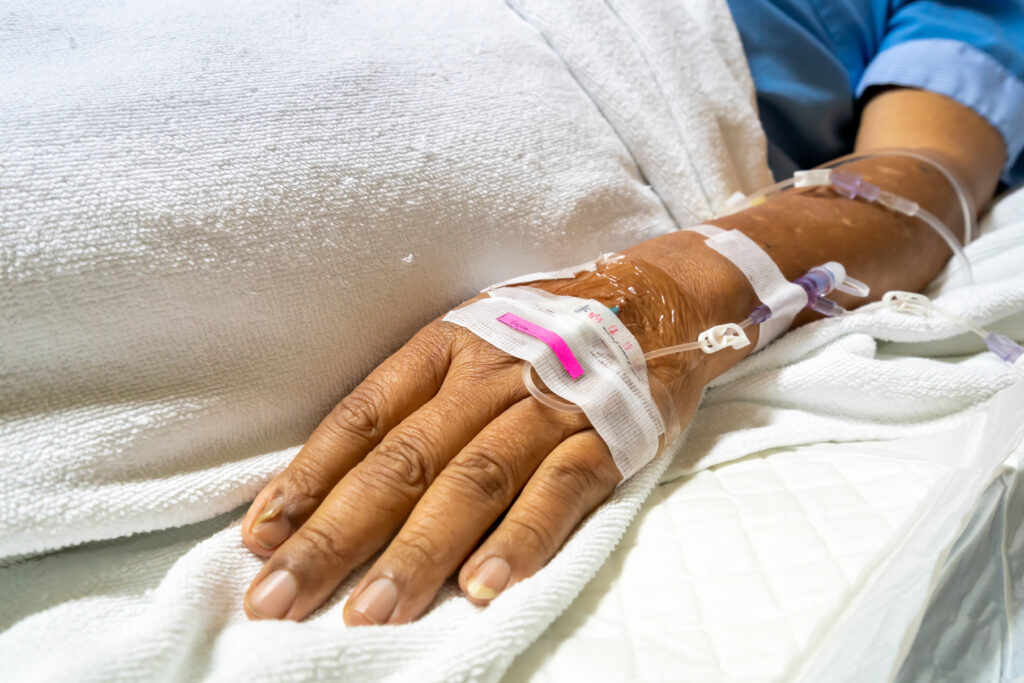
“Vascular access” refers to any method used to enter a patient’s bloodstream to give medications, fluids or treatments. This ranges from small, short-term IVs to more specialized catheters for longer-term care. A peripheral IV is the most common type — the standard IV most people are familiar with. Because they’re used so often, even small lapses in cleaning or maintenance can lead to infections.
One of SVAWG’s biggest priorities has been to reduce infections tied to vascular access, especially hospital-onset bacteremia and fungemia (HOB). These infections can occur with any type of IV line and carry serious risks for patients. When the group reviewed data, they found that most vascular access-related problems came from peripheral IVs.
To help prevent HOB, the group recommended a simple but important change: always using green disinfection caps on every line. These caps support better infection prevention by keeping the IV hubs clean between uses.
Using data to drive improvement
To support better visibility and accountability, SVAWG helped develop a new vascular access dashboard using safety event data. This dashboard helps teams see trends, measure progress and focus improvements where they’re needed most.
The group also completed a comprehensive review and modernization of all system vascular access policies, some of which had not been updated for several years. This led to combining policies, removing outdated documents, and creating standard practice bundles for central venous access devices and peripheral IVs.
These updates give nurses clear, evidence-based guidance that meets national standards and state requirements. The work also led to the creation of a dedicated vascular access clinical nurse specialist role, removed unsafe order set instructions and introduced a new device selection tool to help nurses choose safer catheters for patients.
Supporting education and skill-building
To give nurses across MultiCare a strong, consistent foundation, SVAWG introduced new education and competency tools. Vascular access training is now part of nurse orientation, and annual competencies include peripheral IV skills. The group is also creating easy-to-use resources to help preceptors teach best practices consistently across the system.
Looking ahead, SVAWG continues to explore new ideas and innovations, including ways to identify difficult intravenous access (DIVA) in Epic and improving reimbursement for imaging-guided insertions. Both efforts aim to reduce repeated IV attempts and improve patient comfort and outcomes.
Work powered by clinical volunteers
The time, effort and expertise given by these team members shows a strong commitment to nursing and patient safety at MultiCare. Their teamwork and evidence‑based approach help ensure safer, more consistent vascular access care across all locations. By giving nurses the knowledge, tools and support, the group makes sure best practices are available and used in all care settings.
Provided by the MultiCare Health System Vascular Access Work Group