Should I see a doctor: Anxiety
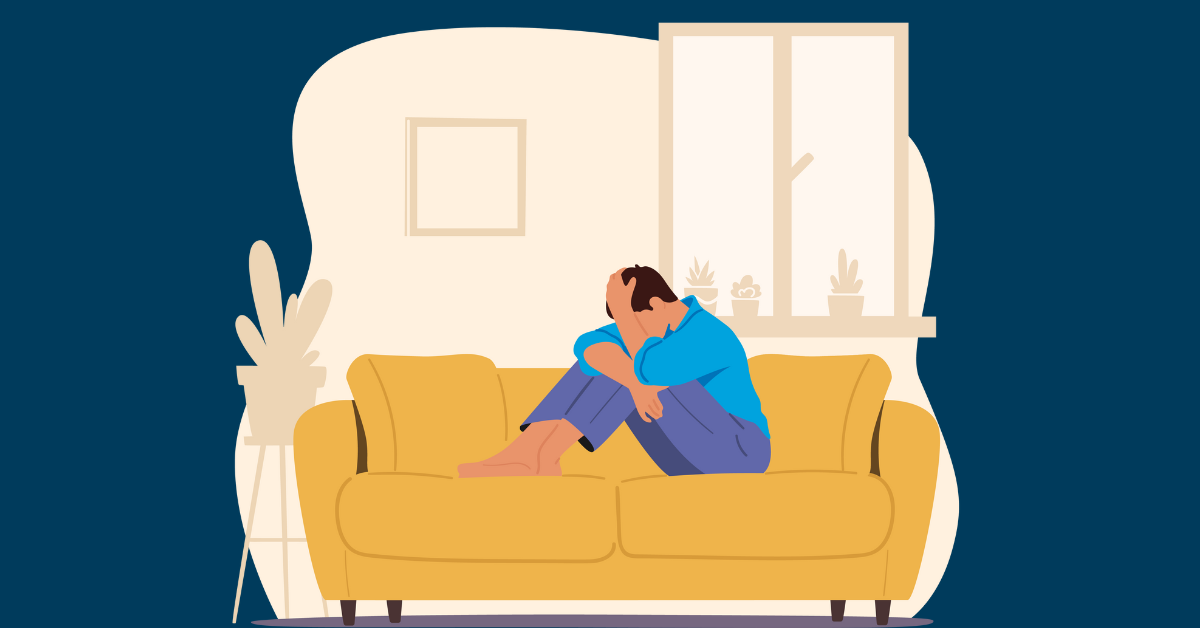
Unfortunate as it may be, anxiety is one of the most common human experiences.
Any number of things can spark stress and anxiety: work, public speaking, social events, parenting, relationships or even just a disruption to your routine. Not experiencing these feelings would be more abnormal.
But because anxiety can present itself in a range of ways and severities in many different situations, it can be a challenge to tell what’s normal versus what’s not.
What’s ‘normal’
Stress hormones activate our fight-or-flight response, which you want during emergencies. But this response shouldn’t take over all your thoughts for a prolonged period.
If you can process the stressor, move past it and feel normal again — either shortly after the event or following a night of sleep — it’s nothing to worry about.
Sometimes the stressor may be obvious, like a death in the family, but other times it can sneak up on you. Either way, remember that anxiety is a healthy and appropriate reaction.
What’s ‘not normal’
If anxiety is affecting your day-to-day functioning or you struggle to move past it, it’s time to talk to your provider. Look at whether the anxiety is impacting your relationships, work, sleep and/or self-esteem, and whether it’s becoming a recurring issue.
Many people may not even realize they’ve been dealing with chronic anxiety, mistaking the physical symptoms for something else. Maybe you have headaches, digestive issues or chronic fatigue and don’t recognize the trigger as stress. Your doctor or other health care provider can help determine if it’s something physical or a result of an undiagnosed anxiety disorder.
How to care for your condition
The main thing to know is that you’re not alone and nothing is wrong with you. Everyone faces anxiety, and your provider won’t judge you for bringing it up. You may leave your appointment with some useful coping strategies.
Even some of the most successful people face anxiety. It’s a medical condition, not a reflection of character.
While discussions about mental health have become more normalized over the past decade, misconceptions about treatment and medications remain prevalent.
In reality, you may benefit from any number of options, including a selective serotonin reuptake inhibitor (SSRI) prescription for a period of time; talk therapy or counseling; lifestyle changes such as modifying your diet, adding more physical activity and/or improving your sleep habits; or checking for underlying conditions that could be promoting stress in your body.
Medical review provided for this piece by Amy Anderson, MD, with MultiCare Rockwood Clinic primary care.
What's next
- Schedule your appointment online
- Primary care that helps you be proactive with your health
- Should I see a doctor: Dehydration