Should I see a doctor: Ovulation cramps
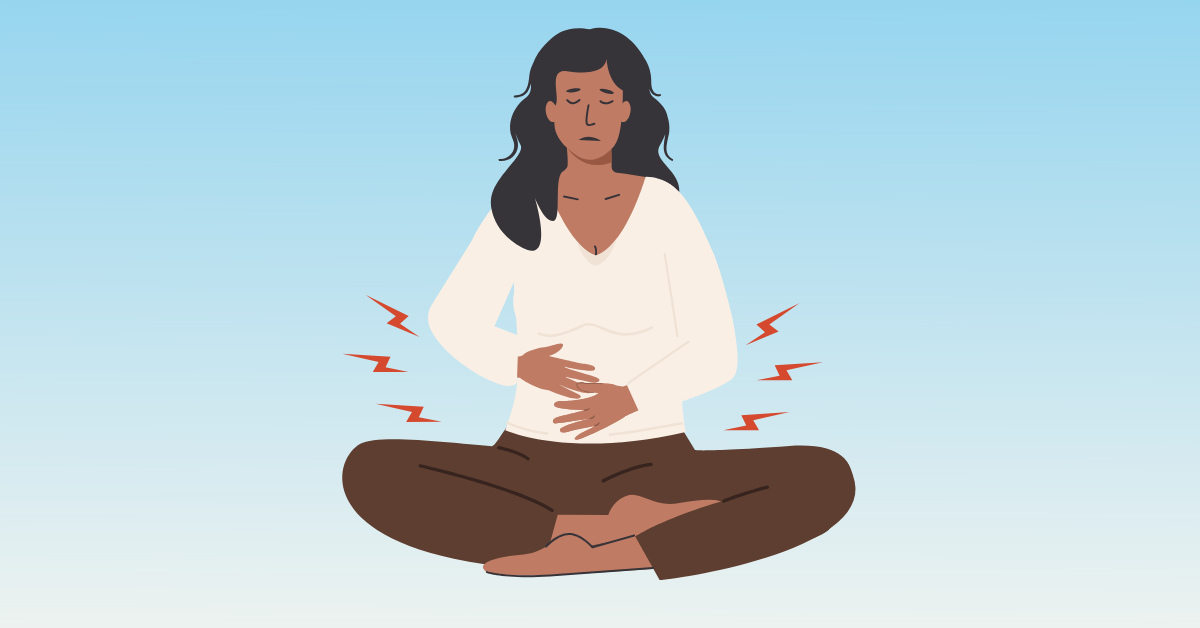
Cramping during your period — you expect that.
In the middle of your cycle, though? Unfortunately, for some menstruating people, pain with ovulation (or ovulation cramps) is a regular occurrence.
Knowing when and how to spot them and understanding whether you have them or not is unique to each person. It all comes down to listening to your body and getting support for the pain when you need it.
What’s ‘normal’
As menstrual bleeding ends each month, your body will determine which follicle — small, fluid-filled sacs in the ovary that contain developing eggs — has the best chance of fertilization and focus on growing it. Ovulation typically occurs about a week and a half later when the mature follicle is released with an egg.
Mild to moderate cramping or discomfort, similar to period cramps, can occur while the follicle grows and during release. You may notice the cramping is contained to one side of the body, which typically corresponds to which ovary is releasing the follicle.
Symptoms may continue for a few days while the body continues producing hormones to maintain a pregnancy. If the released egg is not fertilized, the follicle will eventually shrink and shed during your next period.
But it’s also normal to not experience cramping during ovulation. The pain could be so mild you’ve never noticed, or you may have a high pain tolerance. Some people only notice it when trying to conceive, as they become more tuned in and aware of their cycle.
If natural remedies such as heating pads, massages or over-the-counter pain relievers alleviate your symptoms, there’s little reason to worry about the temporary discomfort.
What’s ‘not normal’
If the pain has become so severe it’s affecting your everyday life, or over-the-counter pain relievers aren’t working, it’s best to speak with your primary care provider or OB/GYN to determine if something else is going on.
Potential causes may include:
- Abnormal ovarian cyst: If the egg is unfertilized, the cyst could fill with fluid or blood and become enlarged
- Endometriosis: A condition in which cells/tissue from the inner lining of the uterus grow on the outside of the uterus, ovaries, fallopian tubes or pelvic lining
- Pelvic inflammatory disease: An infection of the female reproductive organs, often caused by sexually transmitted bacteria
- Other chronic pelvic pain or muscle pain: You may have increased sensitivity to pain if you’ve had muscle or nerve injury to the pelvis or a diagnosis such as fibromyalgia
Other things to look for that may indicate something abnormal: if you experience sudden and severe pain with ovulation that you have not in prior months, or if you’re not having a period or any sensation of ovulation occurring.
How to care for your condition
Over-the-counter pain relievers such as Tylenol (acetaminophen) should help with mild to moderate pain or discomfort. Or try some typical period-relief strategies like heating pads, a warm bath or massage.
Track your cycle, be aware of when ovulation is likely to occur, and get ahead of the pain by taking it easy on your body or avoiding food and drinks that may cause stomach discomfort.
If you’re ever concerned that your pain isn’t normal, schedule an appointment with your provider. You don’t have to live in pain.
Medical review provided for this piece by Lacey Marks, MD, at MultiCare Rockwood Clinic – OB/GYN & Midwifery Center.
What's next
- Schedule your appointment online
- Have questions about your menstrual cycle? Explore women’s health services at MultiCare
- Should I see a doctor: Insomnia