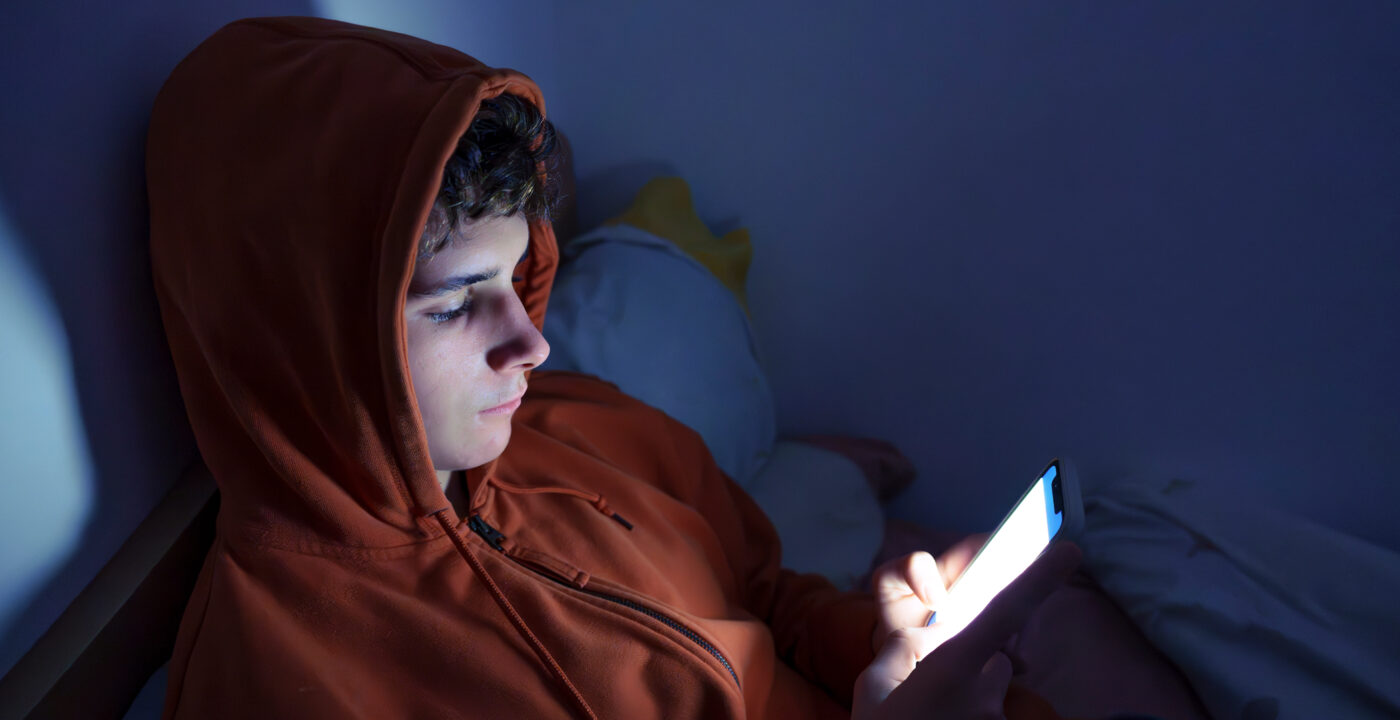
Understanding the mental health roller coaster of puberty
At a glance
- Puberty brings physical, hormonal and emotional changes that can affect children’s mental health
- Social pressures and timing differences in puberty may cause isolation, insecurity or risky behaviors
- Families should normalize changes, encourage open conversations and share coping strategies for resilience
Puberty is a challenging period of life for any young person.
From physical changes to peer pressure to the emotional roller coaster that comes with it, it’s no surprise when a child’s mood takes a hit.
Half of all lifetime mental illnesses begin by age 14, according to the World Health Organization. With puberty beginning for most children between ages 8-14, it’s important to help them manage their mental health through this shift.
Parents, caregivers and families can help ease the emotional burden of such a big life change by understanding the potential impacts of puberty and guiding children through their feelings, explains Jasmine Gregory, MSW, LICSW, MultiCare Mary Bridge Children’s professional development specialist and social worker.
The physical side of puberty
Puberty refers to the physical and hormonal changes the body goes through to reach sexual maturation. For most girls, puberty begins between ages 8-13, and for most boys, between 9-14.
The phases of puberty include both internal and external physical changes, as well as hormonal shifts — all of which can impact a child’s emotional well-being.
Some common physical and hormonal concerns could include:
- Heightened aggression, isolation and withdrawal in boys as testosterone levels increase. You should specifically be on the lookout for new signs of aggression or sudden outbursts of anger.
- Premenstrual syndrome (PMS) symptoms persisting before or after a girl’s period. It’s common for young girls beginning menstruation to experience the emotional side of PMS, including mood swings, irritability and crying spells, but those emotions should be addressed if they’re occurring throughout the month.
With so many physical developments in a child’s body, changes to sleep or eating habits may be expected. But it’s important to know when they could be something more.
“It can be hard for parents and caregivers to tell, because we should expect kids to want to spend more time alone or sleep more — it’s part of growing,” Gregory explains. “But when it becomes a pattern, six days to two weeks or longer, it’s time to ask if something else is going on.”
As your body grows and matures, it also begins to store fat and muscle differently, she says. Eating too much or too little can be a mental health concern if children are trying to stop some of these changes from happening.

How families can end weight shame & stigma
Learn about weight inclusivity
On the flip side, boys may begin eating more than they need to or trying supplements because they want to be “big and buff” like their peers, Gregory adds.
The social side of puberty
Growing into the adult you’re going to be comes with a lot of social pressure, questions and uncertainty, which can be a lot for a young mind to handle.
Children who begin puberty sooner may feel ostracized or different around kids who haven’t, especially when trying to engage in age-appropriate play or hobbies, Gregory explains. And kids who start puberty later may feel left behind, or that something’s wrong with them.
Both can bring a mix of stigma or embarrassment among peers.
“We know these days that puberty is happening a lot earlier. So at 10 years old, you’re still in elementary school, and puberty is a lot to experience in that setting,” Gregory says. “You’re in the same class with the same people all day, so it can be harder than when you’re changing classes in middle school to discreetly go to the bathroom.”
When a child feels left out of their peer group, it can lead to a number of reactions, including:
- Isolation
- Withdrawal
- Loss of interest in activities
- Engaging with older peers or in risky behaviors
- Increased insecurities or sensitivity
- Anxiety
Navigating emotions during puberty
Kids going through puberty are trying to balance the external changes with their internal feelings, explains Gregory.
Rather than waiting until puberty is well underway or children are experiencing mood swings and anxiety, Gregory suggests starting the conversation early. Teach children from a young age how to name and manage their emotions. Ensure they know what to expect on the physical side, as well.
“Be open and create the space and opportunity for kids to come to you,” she says. “Make it a positive experience and encourage them to ask questions to their doctor, as well.”
Creating that connection and confidence will make it easier for you to recognize when something might be off.
There are many educational books for children about puberty that you could read together until they’re comfortable enough to explore on their own, Gregory explains. Ensure those books focus on positivity and neutrality, such as what it may look like for your body to gain weight and why that’s normal, rather than books that use shaming language or focus on preventing certain things.
Remind kids that everyone goes through these changes and try building them into their routine. If you begin to notice body odor, go shopping together for age-appropriate deodorant they’ll be excited about.
It all comes down to normalizing what a child is going through and building resilience through it, Gregory says.
“Help them with coping strategies, too. Most people know their kids the best and know if they’re anxious already,” she explains. “So when you see a bigger reaction than expected, take a pause and gauge how best to respond to them as you know them, whether that’s calming breaths, a break or a grounding exercise.”
Not every kid will be ready for puberty when it begins, so it’s key they have a support structure around them, including parents, family, coaches, and their doctor or other health care provider, to ensure them they are OK.
What's next
- Find mental health support for your child
- Explore all of our pediatric behavioral health resources in one place
- Curious if your child is starting puberty? Spot the signs