Stroke Care

If you are experiencing a life-threatening emergency, call 911.
Not sure what level of care you need? Learn more about where to seek care.
A stroke is a life-threatening medical emergency that occurs when blood flow to the brain is disrupted. There are two main types of strokes:
- Ischemic strokes. These strokes are caused by a blockage in a blood vessel, often a blood clot. Approximately 87 percent of strokes are ischemic, according to the American Stroke Association.
- Hemorrhagic strokes. A hemorrhagic stroke is caused by a blood vessel that bursts or ruptures and bleeds into the surrounding tissue.
Both types of strokes can damage brain cells by depriving them of oxygen and nutrients. The severity of the damage depends on what area of the brain is affected and how quickly the stroke is treated. The phrase “time is brain” refers to the importance of seeking immediate medical attention when experiencing stroke symptoms. Delayed care and treatment can increase the likelihood of permanent damage to brain tissue, disability and death.
Time is brain
Use the acronym BE FAST to recognize the symptoms of a stroke:
Balance: Sudden loss of balance or coordination
Eyes: Trouble seeing in one or both eyes
Face: Smile looks uneven or lopsided; one side of the face feels numb or droops
Arm: One arm or leg feels weak or numb; inability to raise both arms at the same time
Speech: Speech is slurred or hard to understand
Time: If any of the above symptoms are present, call 911 now
Women may also report symptoms not often associated with strokes in men. These can include nausea or vomiting, fatigue, confusion or memory problems. In the video below, learn more about stroke symptoms.
If you or someone or you know is having a stroke, the Centers for Disease Control and Prevention (CDC) advises against driving to the hospital yourself if possible. It’s best to wait for an ambulance so emergency medical professionals can administer lifesaving treatment on the way to the hospital.
Diagnosing and treating strokes
Once you arrive at the hospital, rapid response teams specially trained in stroke evaluation and treatment will work quickly to administer care. In addition to performing a neurological exam, the team may use a variety of diagnostic tools to determine the type of stroke you are having, including medical imaging tests such as MRIs or CT scans.
Your care team may also use profusion and diffusion imaging, which enables them to quickly visualize the brain and blood supply so they can begin lifesaving treatment as soon as possible.
Treatment for strokes varies depending on a variety of factors, including the type of stroke you are experiencing, its underlying cause and how quickly it has been diagnosed.
Your treatment plan may include:
Medications. If a patient with an ischemic stroke arrives at the hospital within a certain time frame and meets specific criteria, they may be given clot-dissolving drugs, also known as thrombolytics, to break down the clot causing the blockage. Additional medications may be prescribed to prevent blood clots, control stroke risk factors like high blood pressure or high cholesterol, or manage other underlying conditions.
Surgery. Treatment for stroke can include a variety of surgical procedures, including endovascular neurosurgery, a form of minimally invasive surgery that can remove clots from the brain. Patients who have experienced a hemorrhagic stroke may benefit from the use of the Apollo system, a minimally invasive surgical device that can repair bleeding deep inside the brain.
Lifestyle modifications. Preventing future strokes is an important aspect of your treatment plan. This may involve lifestyle changes such as quitting smoking, maintaining a healthy diet, exercising regularly and managing medical conditions like diabetes and high blood pressure.
Rehabilitation. Following the acute phase of a stroke, rehabilitation is a crucial part of the recovery process. Through MultiCare, patients recovering from stroke have access to everything from nutrition counseling and social services to speech, physical and occupational therapy to help regain lost skills and independence. Part of our comprehensive rehab program is the inpatient rehabilitation program at MultiCare Good Samaritan Hospital. This program is accredited by the Commission on Accreditation of Rehabilitation Facilities (CARF).
Support for stroke survivors
Support groups can be helpful for you, your family members and caregivers as you recover from a stroke and adjust to any life changes. Explore support groups near you by visiting the American Stroke Association or enrolling in a MultiCare-sponsored group below.
MultiCare Stroke Survivor Network. This stroke support group is open to stroke survivors, their caregivers and family members. The group provides resources to help survivors recover, regain and rebuild their lives in a safe and therapeutic environment. Register for a class
Stroke Strides. A community-based stroke education group, Stroke Strides is a series of classes designed for stroke survivors, their family members, caregivers and friends. Each session includes a guest speaker, support materials and opportunities for discussion and socialization. Virtual attendance is also available. Classes are posted seasonally and may not always be available. Check our event calendar for upcoming classes or subscribe to our Stroke Strides email list to hear about upcoming events.
Award-winning stroke care
-
-
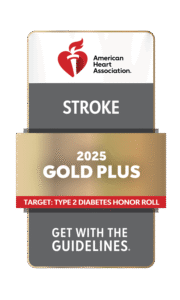 Level 3 Stroke Center (State-designated)
- DNV Certified Primary Stroke Center
- American Heart Association’s 2025 Get with the Guidelines® – Stroke Gold Plus Quality Achievement Award with Target: Type 2 Diabetes Honor Roll status.
-
-
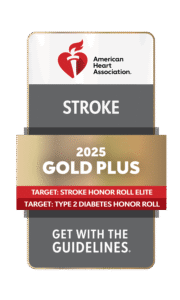 Level 2 Stroke Center (State-designated)
- DNV Certified Primary Stroke Center
- American Heart Association’s 2025 Get with the Guidelines® – Stroke Gold Plus Quality Achievement Award with Target: Type 2 Diabetes Honor Roll and Honor Roll Elite status
-
-
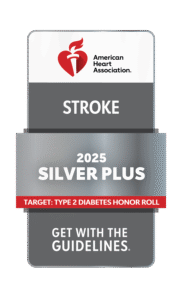 DNV Certified Primary Stroke Center
- American Heart Association’s 2025 Get with the Guidelines® – Stroke Silver Plus Quality Achievement Award with Target: Type 2 Diabetes Honor Roll status
-
-
- DNV Certified Acute Stroke Ready Center
- American Heart Association’s 2025 Get with the Guidelines® – Stroke Gold Plus Quality Achievement Award with Target: Type 2 Diabetes Honor Roll status
-
-
 DNV Certified Primary Stroke Center
- American Heart Association’s 2025 Get with the Guidelines® – Stroke Gold Plus Quality Achievement Award with Honor Roll Elite status
-
-
- Level 2 Stroke Center (State-designated)
- DNV Certified Primary Stroke Center
- American Heart Association’s 2025 Get with the Guidelines® – Stroke Gold Plus Quality Achievement Award with Honor Roll Elite status
-
-
 Level 1 Stroke Center (State-designated)
- DNV Certified Comprehensive Stroke Center
- American Heart Association’s 2025 Get with the Guidelines® – Stroke Gold Plus Quality Achievement Award with Advanced Therapy, Target: Stroke Honor Roll Elite, and Target: Type 2 Diabetes Honor Roll status
-
-
 American Heart Association’s 2025 Get with the Guidelines® – Stroke Silver Plus Quality Achievement Award.
-
-
MultiCare stroke rehabilitation programs focus on minimizing impairments, maximizing function and preventing stroke recurrence.
We consider the patient and family and/or caregiver to be essential members of the rehabilitation team. We provide patient and family education that emphasizes informed decision making, social adjustment, maintenance of rehabilitation gains, utilizing community resources for community reintegration and prevention of stroke recurrence.
Our ultimate goal is to assist the person with the stroke — and the family — safely reach the highest level of independence possible. For younger persons with strokes, rehabilitation also targets goals related to resuming parenting duties as well as a successful return to work/school.
Specialized trained staff includes: NDT trained therapy staff, Certified Rehabilitation Registered Nursing, Wound Care specialists Certified lymphedema specialists, Saebo trained, and Graston trained.
MultiCare rehabilitation programs are certified by the Joint Commission on Accreditation of Healthcare Organizations and the Commission on Accreditation of Rehabilitation Facilities (CARF) for medical rehabilitation. The MultiCare Good Samaritan rehabilitation program is accredited for stroke specialty program as well.