Five tips for soaking up the sun safely & staying cool
Let’s face it: Most of us love sunny days. You’re soaking up the sun and basking in the warmth because you know they won’t last long here in the Pacific Northwest.
But don’t forget that the heat can play tricks on your body and mind. Stay safe, healthy and prepared with our top tips for the hot summer months.
1. Find creative ways to stay cool
Not everyone is lucky enough to have air conditioning, but that doesn’t mean you have to suffer through the summer. Something as simple as a bowl of ice in front of a fan can make a difference.
Give some of these tricks a try:
- Try a cooling sheet on your bed or place your sheet in the freezer ahead of bedtime
- Avoid cooking inside
- Heat rises, so stay low by moving your mattress to the floor
- Unplug unneeded electronics and appliances (yes, they still generate heat even when idle)
- Take a cool shower or bath
- Keep windows covered when in direct sunlight with shades, blinds or curtains
2. Stay hydrated
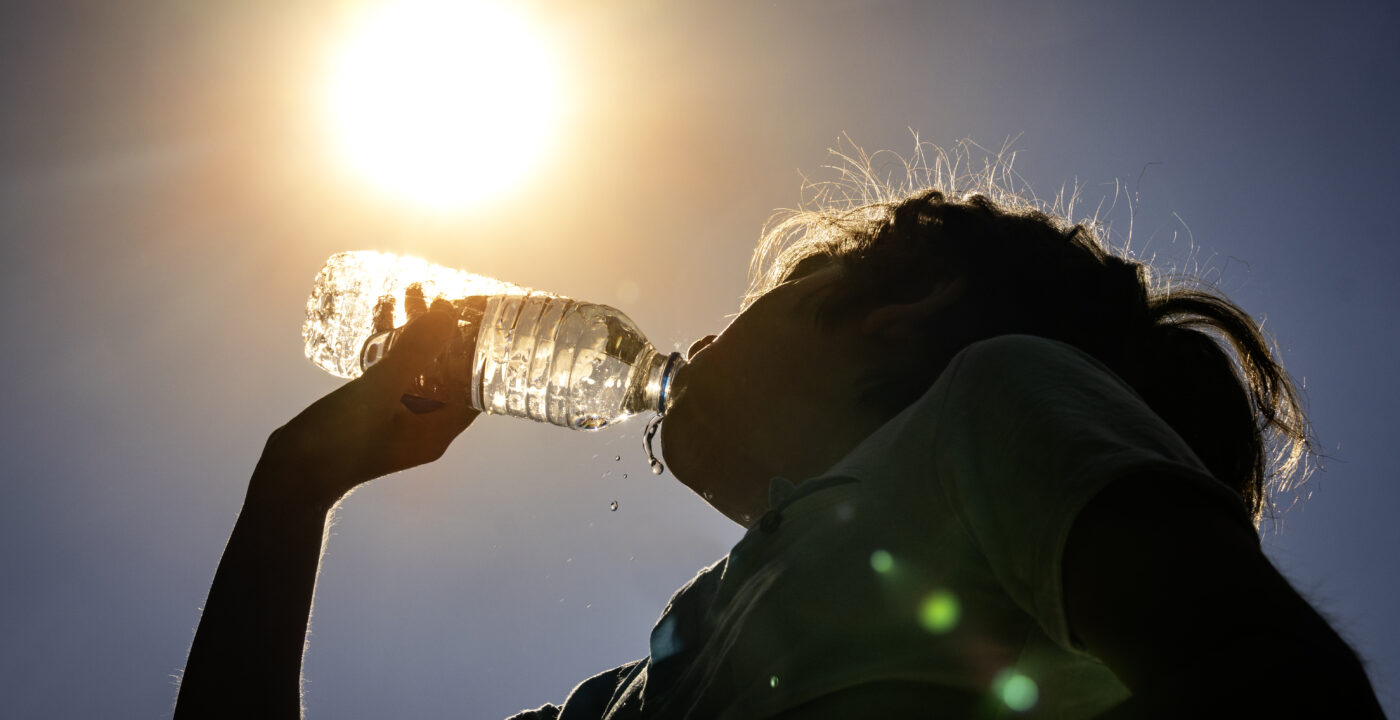
Stay ahead of dehydration by making water consumption a habit before summer hits. If you’re feeling thirsty, you’re already 2-3 percent below your ideal hydration level.
The best way to determine how many ounces of water you need in a day is to divide your body weight by two. But if it’s hot or you’re especially active that day, it’s recommended you drink more than that baseline.
Water is the best option, but you can also get hydration from juice, electrolyte beverages, fruits and vegetables.
3. Don’t lose your cool
When you’re not properly hydrated or able to get relief from the heat, your ability to problem-solve or easily control your emotions decreases. Rather than getting angry or pretending everything is fine, acknowledge what you’re feeling.
Identify the source of your frustration — did you get enough sleep? Could you take a break in an air-conditioned space?
Don’t wait for the heat wave to hit. Make healthy coping skills for stress and anxiety part of your everyday life, such as diaphragmatic breathing, getting enough sleep and staying well fed and hydrated.
4. Know the signs of heat stroke
The human body isn’t designed to endure prolonged periods of extreme heat. For times when you can’t escape soaring temperatures, it’s important you know the signs of heat stroke before they can do any serious damage.
Watch for:
- Body temperature of 104 degrees Fahrenheit or higher
- Hot, flushed skin
- Rapid breathing
- Increased heart rate
- Headache
- Nausea/vomiting
- Dizziness/fainting
- Confusion
- Slurred speech
- Delusions
Call 911 and move the person to a cool/shaded area, remove excess clothing and provide ice packs.
5. Check on those most vulnerable
While everyone is at risk for heat-related illnesses like heat exhaustion and heat stroke, some people are at greater risk.
Make it a point to check on those around you who may be having a harder time staying cool, including:
- Infants, toddlers and children
- People 65 and older
- People participating in strenuous outdoor activities
- People with heart and lung diseases
And don’t forget to keep your pets cool — they feel the heat just as much as you do.
What's next
- Follow these tips for safe summer workouts
- Emergency department, urgent care or virtual care? How to know where to go
- 5 tips for keeping kids’ brains stimulated this summer