Rotator Cuff Tear


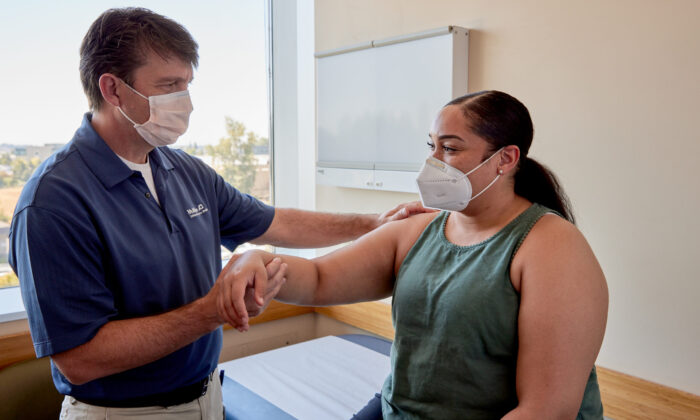
The rotator cuff is a group of muscles and tendons that surround and stabilize the shoulder joint. They ensure the ball-shaped part of your upper arm bone remains securely in the socket of your shoulder as you move. Working together, these muscles and tendons prevent dislocations and support a full range of motion — so you can throw a ball, swing a racquet and perform routine tasks.
A rotator cuff tear occurs when one of the tendons becomes damaged. This can happen suddenly due to a fall or some other type of trauma, or it can develop over time due to repetitive activities. The rotator cuff tissue can also break down, or degenerate, as you age.
Rotator cuff tears can happen to anyone, but they’re common among athletes, older adults and people who engage in repetitive motions as part of their jobs, such as carpenters or warehouse workers.
The two main types of rotator cuff tears include:
- Partial tear. The tendon is injured or frayed but not completely torn.
- Complete tear. The tendon detaches fully from the bone. This is also called a full-thickness tear.
Symptoms of rotator cuff tears
Rotator cuff tears can cause a range of symptoms that interfere with daily activities. Symptoms may worsen over time if left untreated.
Common symptoms include:
- Persistent shoulder pain, especially when lying on your arm, lifting or reaching
- Weakness in the arm that makes it difficult to perform overhead tasks
- Clicking, popping or grinding sensations during certain types of movement
- Stiffness or limited range of motion
- Difficulty sleeping due to shoulder pain or discomfort
Early evaluation of symptoms can prevent further damage and improve outcomes. Consult a specialist if:
- Shoulder pain persists for more than a few weeks
- You experience sudden weakness or loss of shoulder function
- You’ve had a previous shoulder injury and symptoms are getting worse
- You’re an athlete or have a physically demanding job requiring full shoulder mobility
Diagnosing rotator cuff tears
To make a diagnosis, your orthopedic specialist will discuss your medical history and perform a physical exam to check for tenderness in your shoulder, test the strength of the shoulder muscles and evaluate your range of motion. They may also recommend imaging tests:
- MRIs provide detailed images of soft tissues — muscles and tendons — to confirm the tear and its severity.
- Ultrasound imaging uses sound waves to provide a real-time assessment of muscles and tendons as you move.
- X-rays help rule out other potential causes of pain such as arthritis or bone spurs.
Treating rotator cuff tears
Treatment depends on several factors, including the severity of the rotator cuff tear and your overall health and activity level. We offer both nonsurgical and surgical options tailored to your individual needs.
Nonsurgical treatments
While rotator cuff tears can’t heal on their own without surgery, you can often reduce pain and improve functioning with nonsurgical treatment options:
- Rest, ice and activity modification to support recovery
- Anti-inflammatory medications to ease pain and swelling
- Physical therapy to strengthen surrounding muscles and restore function
- Corticosteroid injections for pain relief
Surgical treatments
Your specialist may recommend surgery if you have a complete tear or if nonsurgical approaches aren’t relieving your symptoms. Surgical options include:
- Arthroscopic tendon repair using minimally invasive techniques
- Open surgery for repairing large or complex tears
- Tendon transfer where a nearby tendon is used to replace the damaged one
- Shoulder replacement
Postoperative rehabilitation can help you further regain strength and mobility. While recovery looks different for everyone, most patients gradually return to the activities they enjoy.