Robotic Surgery
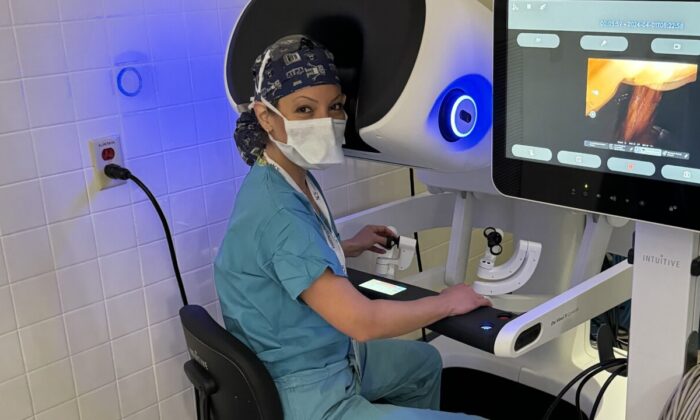
Robotic surgery (also known as robotic-assisted surgery) is an innovative way to perform many minimally invasive procedures. This method of surgery doesn’t replace surgeons. Rather it helps leverage their expertise, improving precision and supporting positive outcomes.
Robotic surgery has many benefits. It can enhance a surgeon’s dexterity, control and range of motion — making it easier to perform complex procedures in areas of the body that are hard to reach or have delicate soft tissues.
Like other approaches to minimally invasive procedures, robotic surgery is associated with:
- Less bleeding
- Faster recovery
- Shorter hospital stays
- Fewer complications and lower risk of infection
- Less postoperative pain and discomfort
How robotic surgery works
Surgeons perform robotic surgery — they are in complete control of the robotic technology during the entirety of your procedure, using the robot as a tool. During a robotic surgery, your surgeon uses a computer console near the operating table to control a robot’s mechanical arms. The arms are equipped with specialized surgical instruments as well as a high-definition camera.
The camera magnifies the surgical area and transmits real-time 3D images back to the console. With the images as a guide, your surgeon uses hand and foot controls to direct the robot’s arms to perform the surgery.
Surgeons undergo extensive training to perform robotic surgery. Similar to other types of surgeries, an entire team of medical professionals, from anesthesiologists to surgical assistants and others, work alongside surgeons to help support a successful procedure.
Robotic surgeries we offer
At MultiCare, we may perform a variety of procedures using robotic-assisted technology:
- Colon and rectal surgery
- Cancer-related surgeries
- Gallbladder surgery
- Appendix removal
- Gastroesophageal surgery, including hernia repairs
- Gynecologic surgeries
- Head and neck surgeries
- Orthopedic surgery, including joint replacement
- Thoracic surgery
- Urological surgery
- Weight-loss surgery
Robotic surgery is not appropriate for all patients or procedures. Your surgeon will work with you to determine the surgical approach best suited to your specific needs and situation.
Our robotic technology
MultiCare is a Pacific Northwest leader in the adoption of robotic advancements. By investing in new technology, we can continuously improve your experience and outcome as a patient and the quality of care we provide our communities.
Some of the robotic systems we use during surgery include the da Vinci robot as well as Rosa Knee. Your surgeon will talk with you about what technology is available at your location of care and what may be ideal for your procedure.
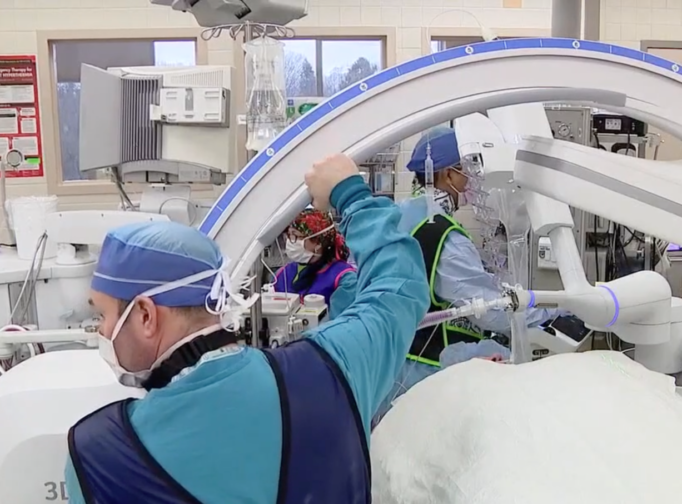
Robotic technology helps detect lung cancer earlier
Doctors at MultiCare Tacoma General Hospital are using a robotic bronchoscopy system paired with 3D CT imaging to detect lung cancer faster, with greater precision, and better outcomes.
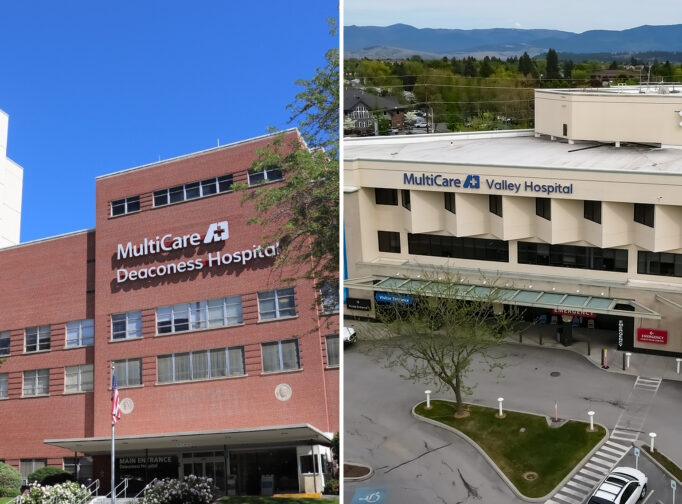
Centers of Excellence in Robotic and Hernia Surgery
MultiCare Deaconess Hospital has achieved accreditation from Surgical Review Corporation (SRC) as a Center of Excellence in robotic and hernia care. MultiCare Valley Hospital was also recognized as a Center of Excellence in hernia care.
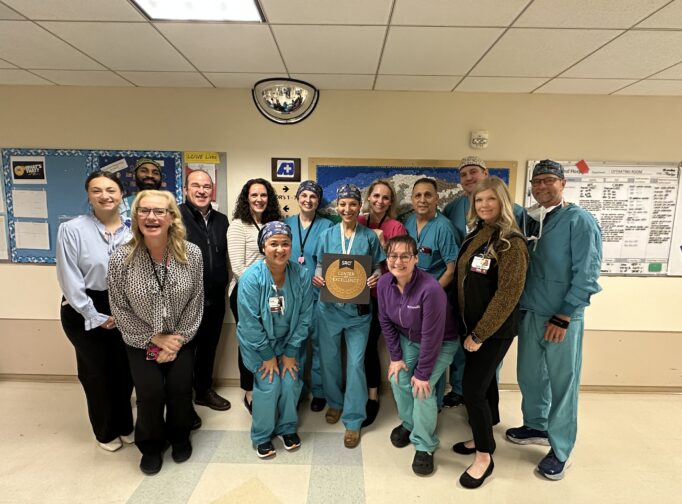
Center of Excellence in Robotic and Colorectal Surgery
MultiCare Tacoma General Hospital has achieved accreditation from Surgical Review Corporation (SRC) as a Center of Excellence in Robotic and Colorectal Surgery. This accreditation recognizes Tacoma General’s commitment and high standard of quality care and safety.